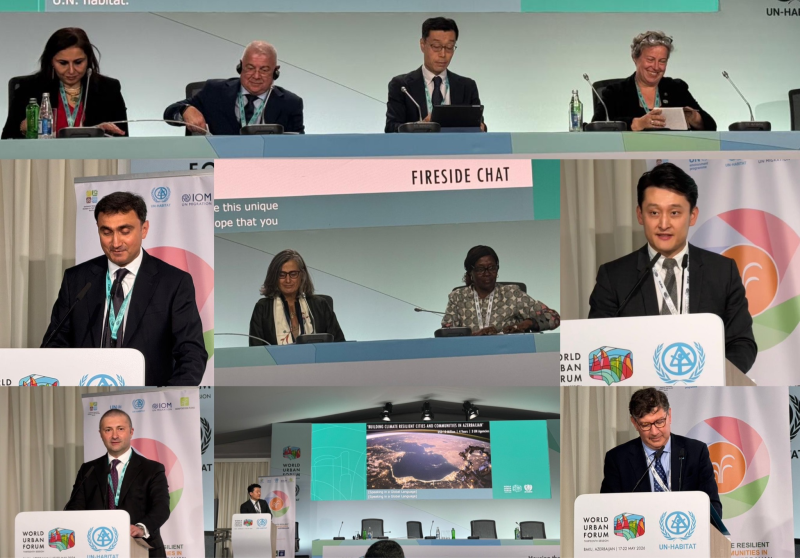
How climate change, urbanisation and a shortage of money are forcing the region to reinvent the cities of the future.
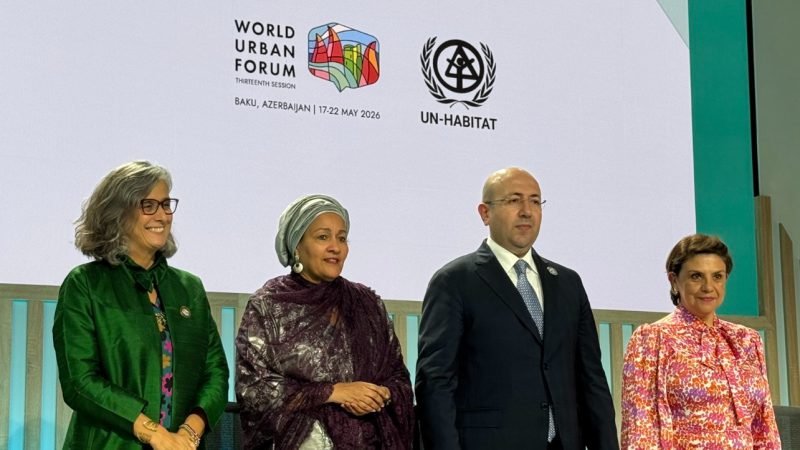
The thirteenth session of the World Urban Forum (WUF13), organized by UN-Habitat in partnership with the Government of Azerbaijan, concluded in Baku with a high-level closing press conference, hosted by Katerina Bezgachina, Chief of Communications at UN-Habitat, summarizing the outcomes of one of the world’s largest international platforms dedicated.
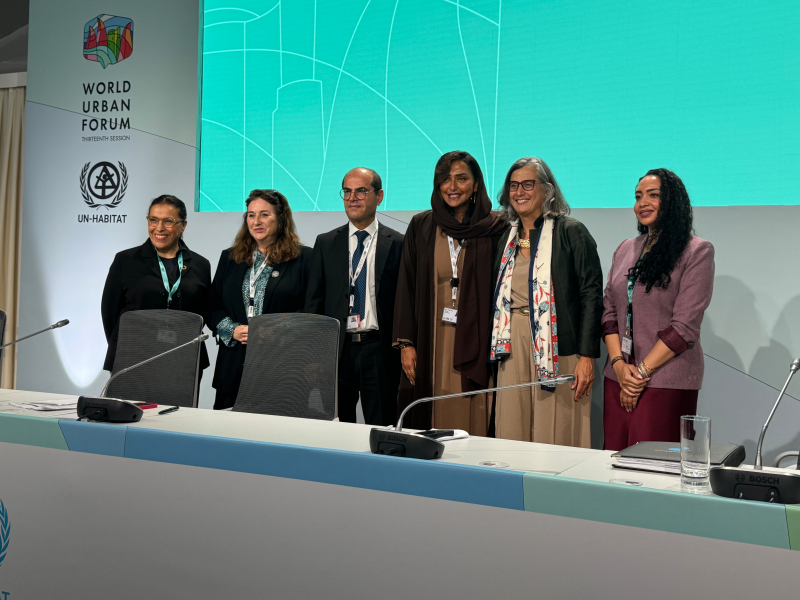
UN-Habitat and Alwaleed Philanthropies formally launched a new partnership during the World Urban Forum (WUF13) in Baku aimed at advancing inclusive and sustainable housing solutions for persons with disabilities in Tunisia and across the Arab region.
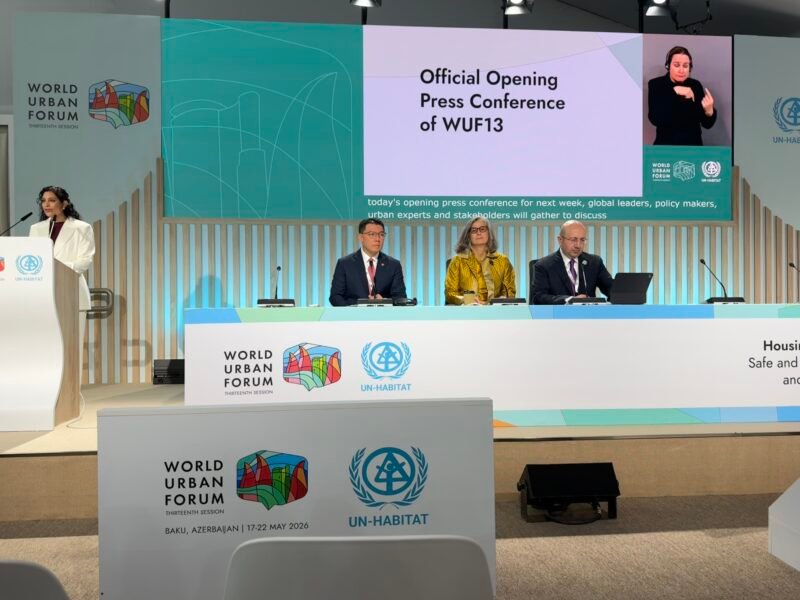
Why WUF13 in Baku matters more than expected.

Pollinators were not officially on the agenda in Baku. Yet during a conversation with Laura Puttkamer, who works in solutions journalism, pollinators surfaced almost inevitably — as discussions about cities increasingly tend to do once they move beyond infrastructure and toward the quieter question of coexistence.
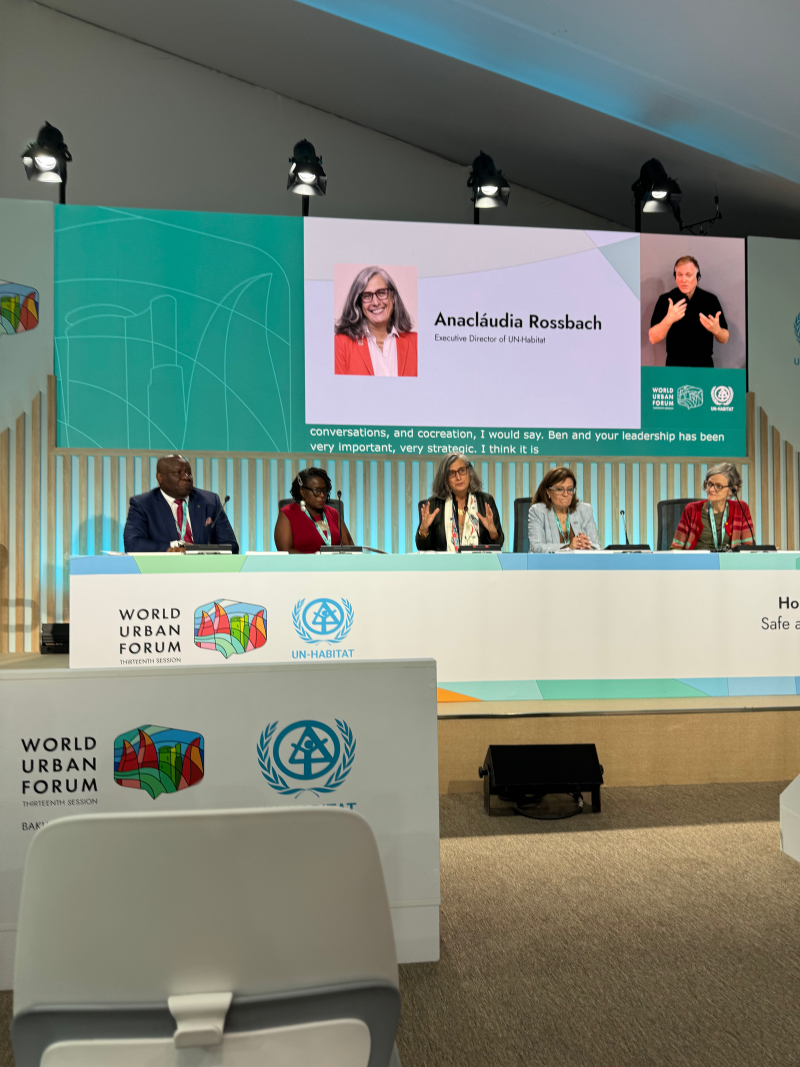
Presented at UN-Habitat’s World Urban Forum (WUF13) in Baku, the 2026 World Cities Report warns that the global housing crisis is becoming one of the defining challenges of modern urbanisation.

SPECIAL COVERAGE The upcoming World Urban Forum 13 in Baku will bring together global leaders in housing, finance and urban policy to address one of the defining challenges of our time: how to create resilient communities in an era of climate uncertainty.
