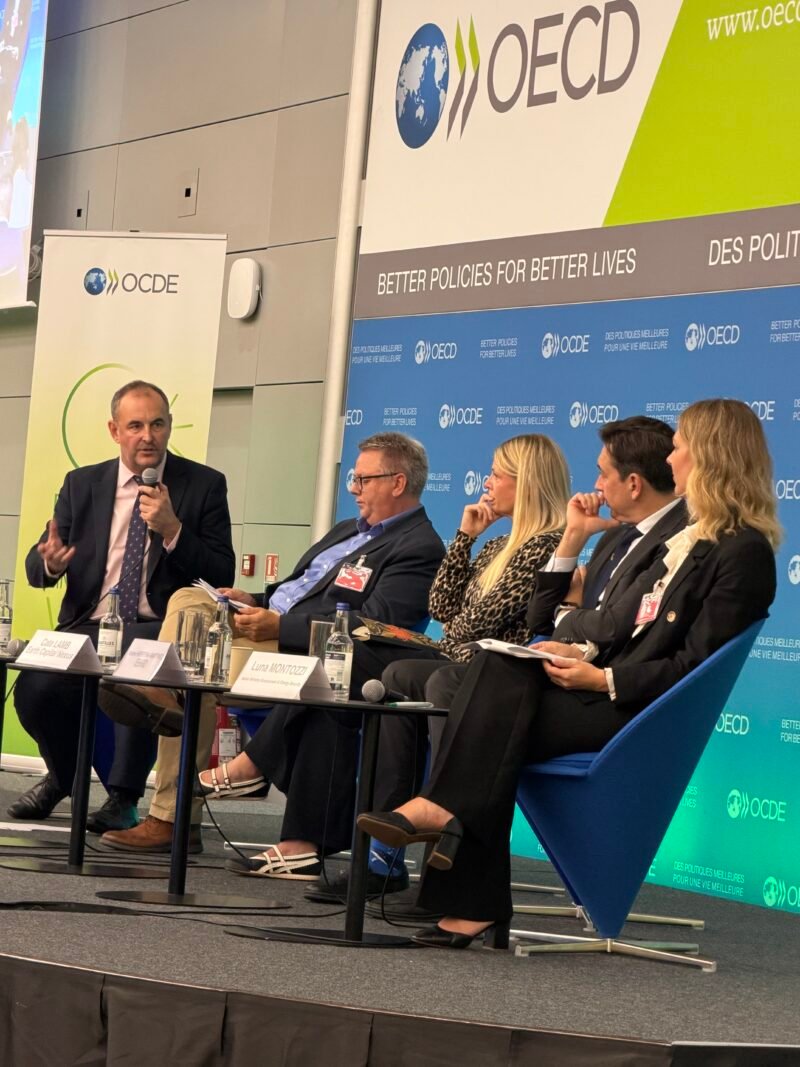
At the OECD Forum on Green Finance and Investment in Paris, one question kept returning in different forms: if rivers, wetlands and reefs protect the assets we already finance, why are they still so difficult to invest in?.
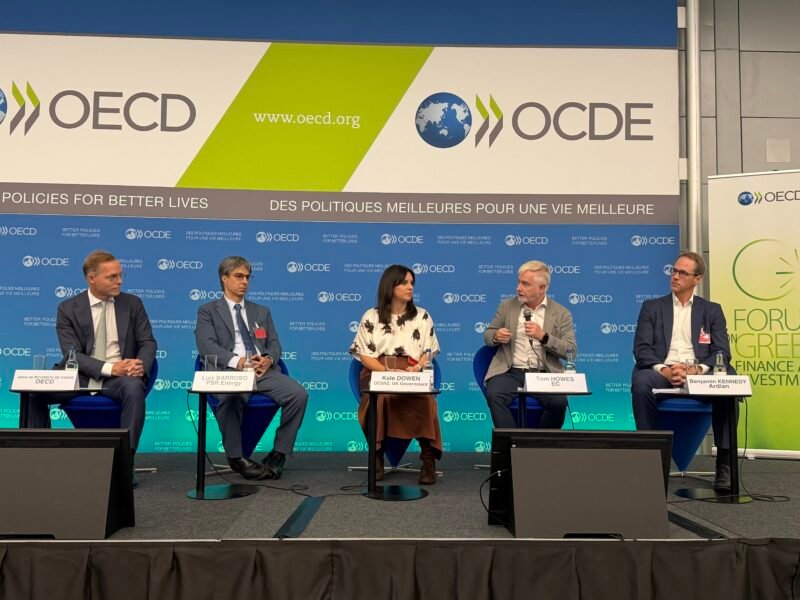
The world does not appear to be short of money for the energy transition. Nor is it short of technology. What it lacks is a sufficient supply of projects that investors can actually finance.
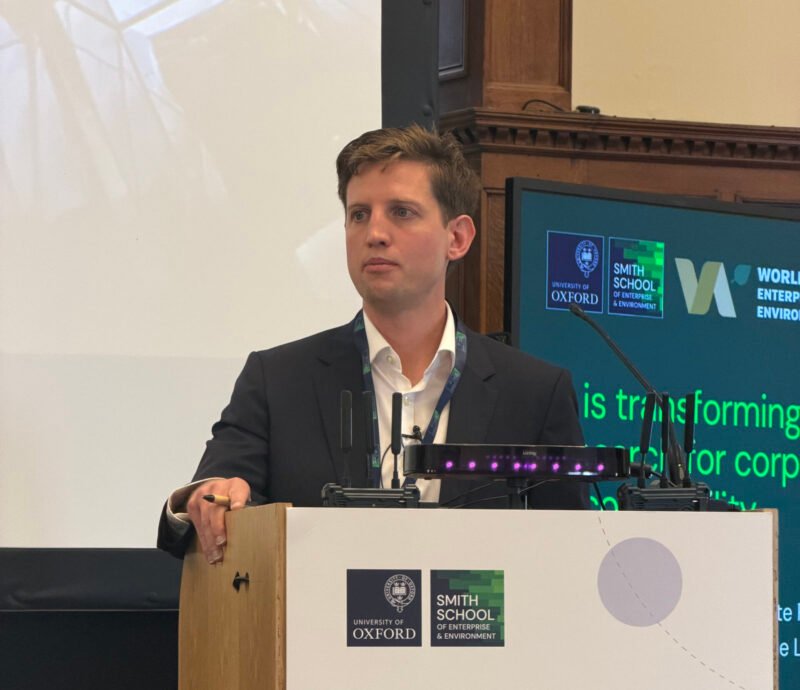
Dr. Benjamin Franta is an Associate Professor at the Oxford University Sustainable Law Programme, where he researches climate litigation. He studies internal fossil fuel industry documents and how historical evidence can help hold companies accountable for climate damage.
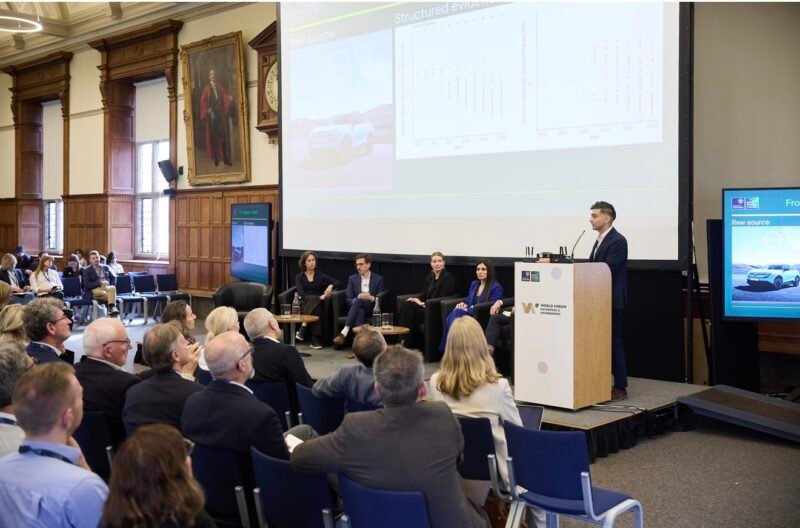
At the University of Oxford’s Smith School of Enterprise and the Environment, five researchers demonstrated how artificial intelligence can help us understand technological progress, evaluate conservation projects, identify dangerous dumpsites, map industrial assets and search corporate archives.
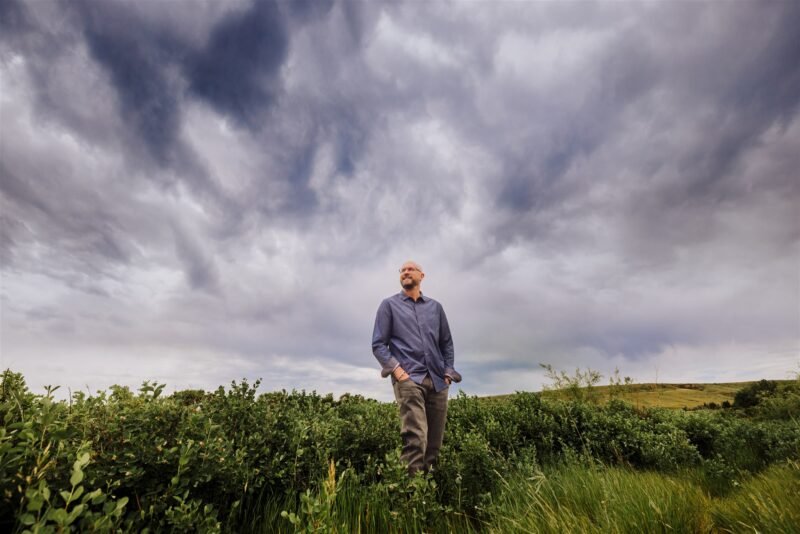
Bill Hilf has spent his career moving between worlds that rarely sit comfortably together: technology and conservation, artificial intelligence and philanthropy, investment and long-term public good.
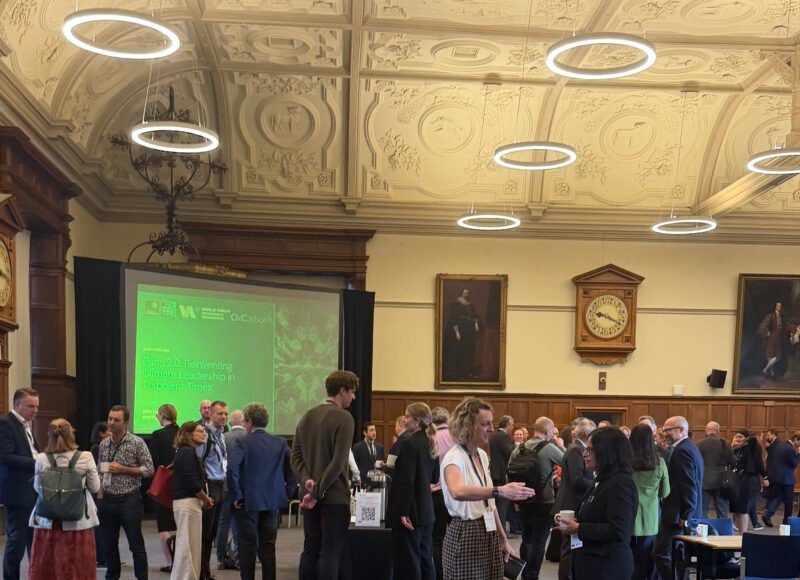
Ten years after the Paris Agreement, Oxford’s Smith School brought together people from business, finance, politics and academia to ask how countries can act together in a world where agreement is becoming harder to find.
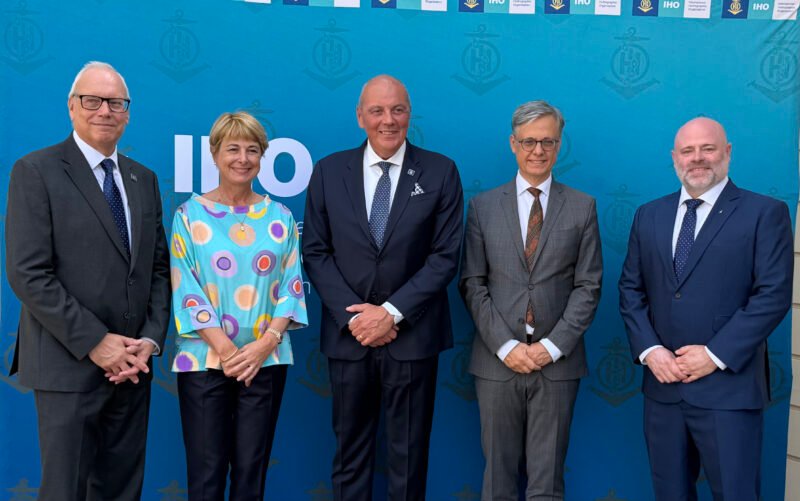
From Monaco to Busan, the International Hydrographic Organization is entering a new phase: digital standards must become operational infrastructure, while ocean knowledge must become accessible to countries with very different technological capabilities.
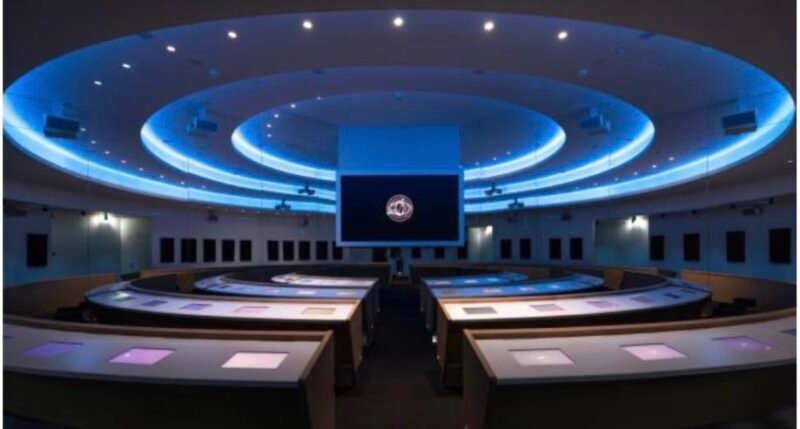
Last year, I was an intern at the United Nations in Geneva. Now I have returned as a journalist — this time to the new Portail des Nations, where the complex world of international diplomacy is being brought a little closer to the public.
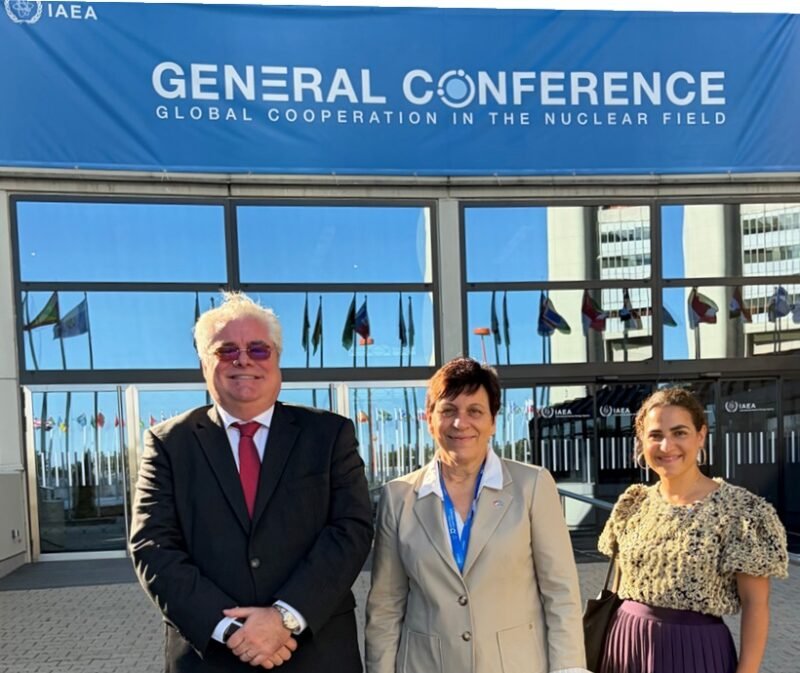
Monaco reaffirmed its support for the peaceful use of nuclear science during the 70th General Conference of the International Atomic Energy Agency (IAEA) in Vienna.

The first creature I met last morning wasn't a person. It was a European bison.
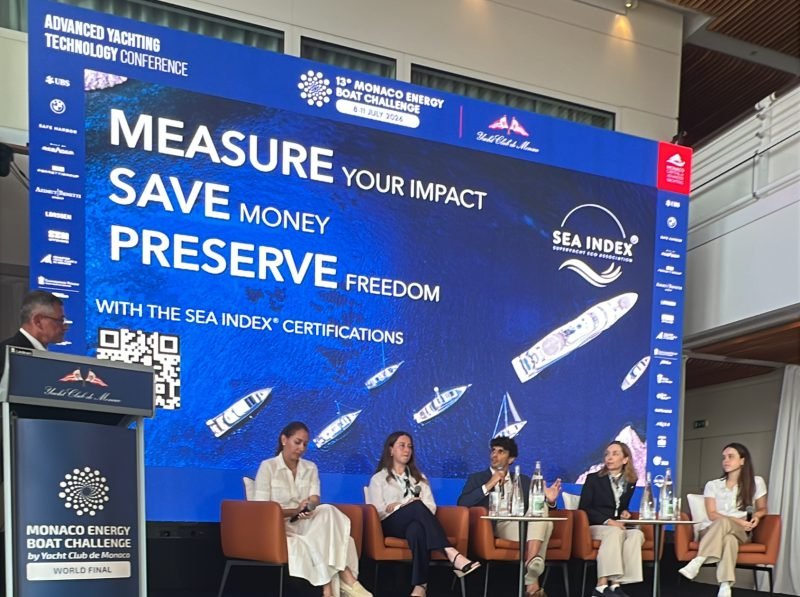
MONACO — Can a superyacht ever be truly sustainable? Or is the future of luxury no longer about owning more—but leaving a lighter footprint?.
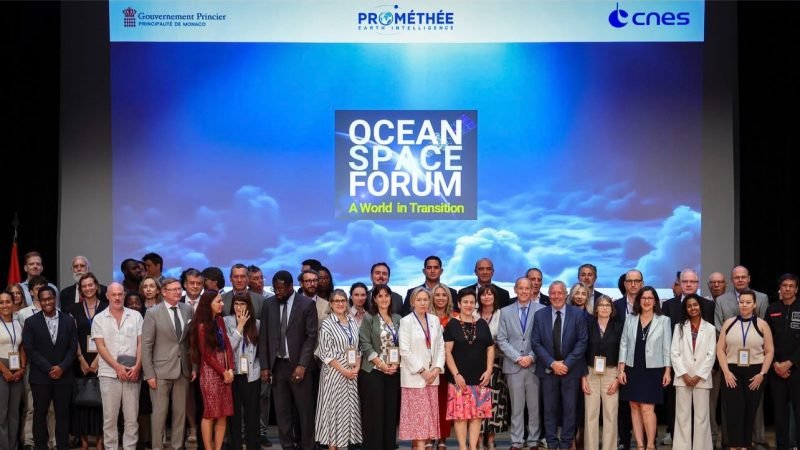
At the Ocean Space Forum 2026, the Principality made a compelling case that the future of ocean governance may begin far above the sea.
