Interpol : the Monaco chapter
In 1914 a gathering in the tiny principality posed a question that still troubles governments today: how can law enforcement keep pace when crime crosses borders more easily than the authorities pursuing it?
In April 1914, Prince Albert I brought police officials, magistrates and legal experts from 24 countries to Monaco for the First International Criminal Police Congress.
Europe was becoming more connected. Railways, steamships and the telegraph had transformed travel and communication—and criminals were taking advantage. A suspect could cross a frontier faster than the authorities could exchange information.
For five days, delegates in Monaco discussed extradition, criminal identification, shared records and better communication between national police forces. The technology may sound antique; the problem feels remarkably modern.
It would be tempting to say INTERPOL was born in Monaco. The truth is more interesting. The organisation’s institutional history began in Vienna in 1923 with the creation of the International Criminal Police Commission. Monaco, however, was an important prologue. The 1914 congress helped give shape to the idea that international crime demanded international cooperation.
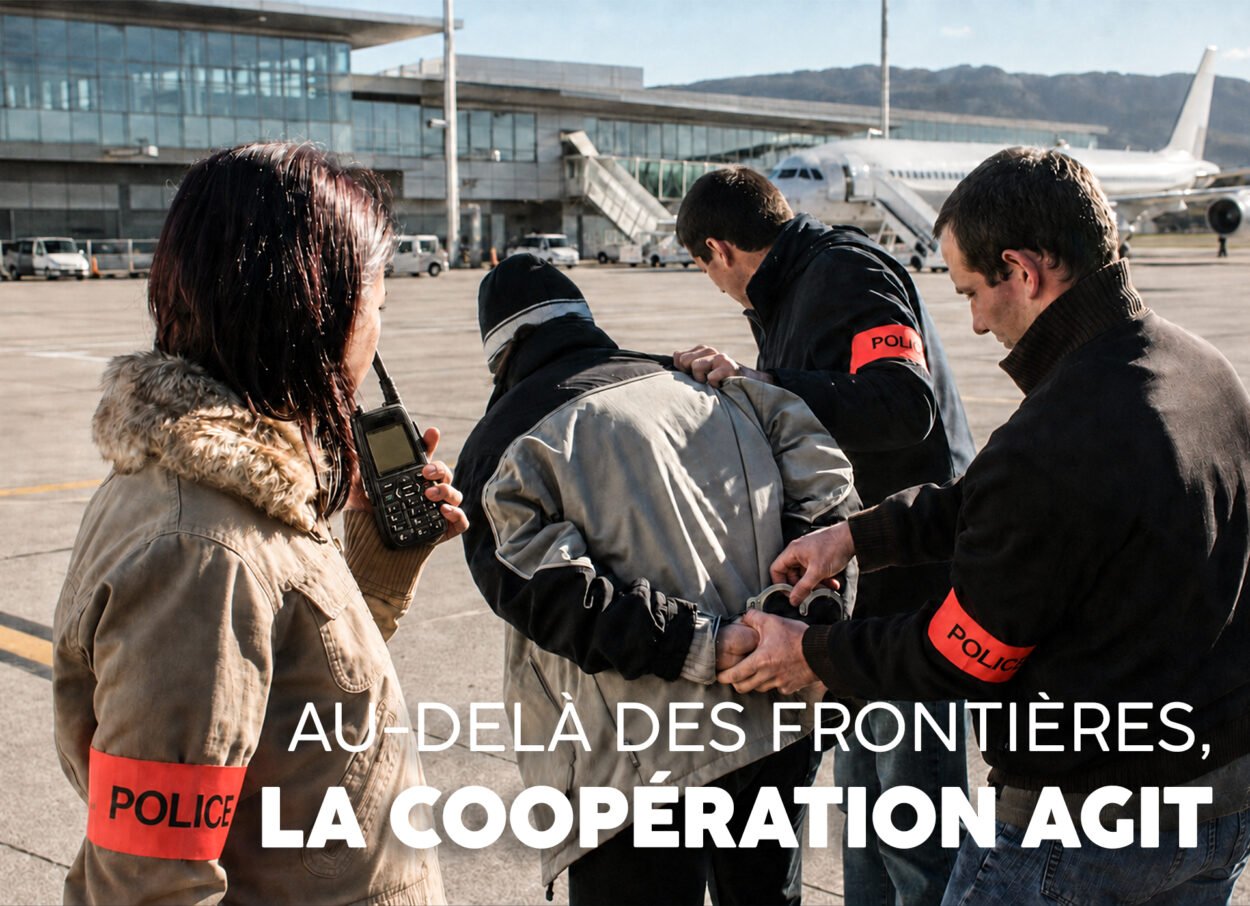
More than a century later, that principle is more relevant than ever. Cybercrime, financial fraud, trafficking and fugitives routinely cross jurisdictions. INTERPOL now connects police authorities in 196 member countries, helping them exchange information and coordinate across borders.
There is something fitting about Monaco’s role in the story. Small states have always had good reason to look outward, and Prince Albert I—an explorer, oceanographer and internationalist—understood the value of bringing nations together around a common problem.
In 1914, the challenge was a fugitive disappearing across a frontier by train or ship. Today, it may be a criminal operating from a laptop thousands of miles away.
The methods have changed. The principle has not:
if crime crosses borders, cooperation must cross them too.
And Monaco understood that remarkably early.