Beyond Medals: Monaco and the Council of Europe Redefine Sporting Success
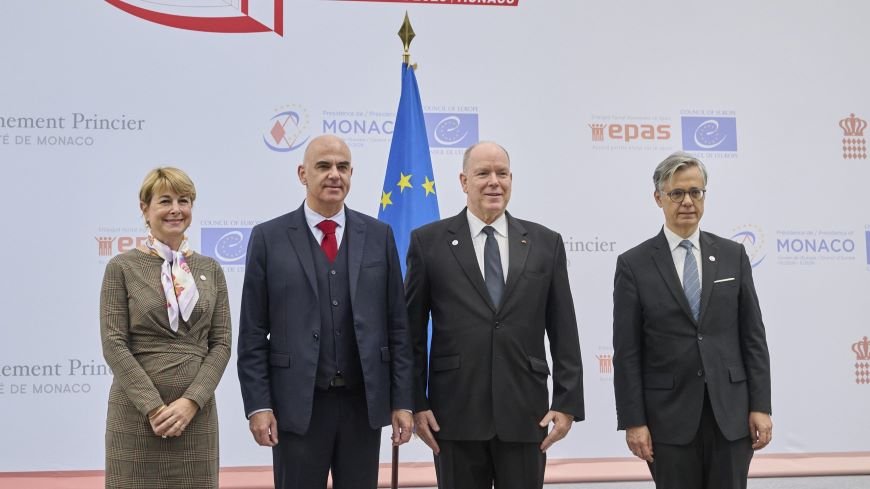
Prince Albert II, Princess Charlene and European leaders put children’s safety at the heart of the future of sport
What if the greatest threat to a young athlete is not losing a competition, but the pressure to win it?
Sport promises discipline, resilience and opportunity. Yet behind the pursuit of excellence lies an uncomfortable paradox: the very institutions designed to nurture young talent can sometimes expose children to intimidation, psychological pressure and abuse.
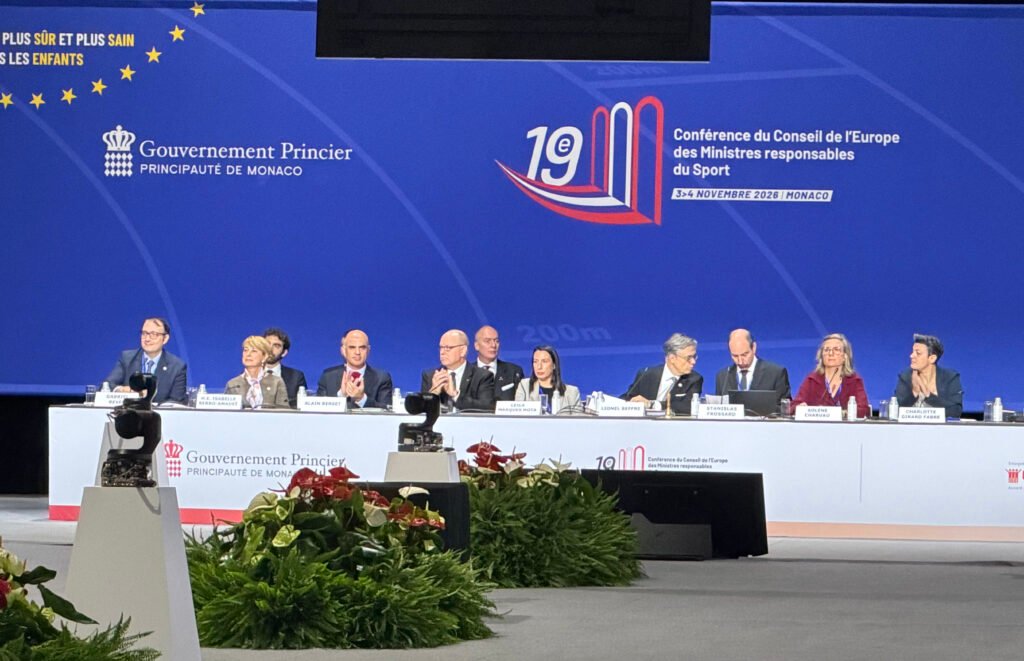
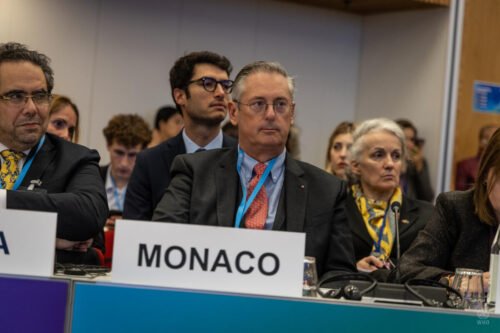
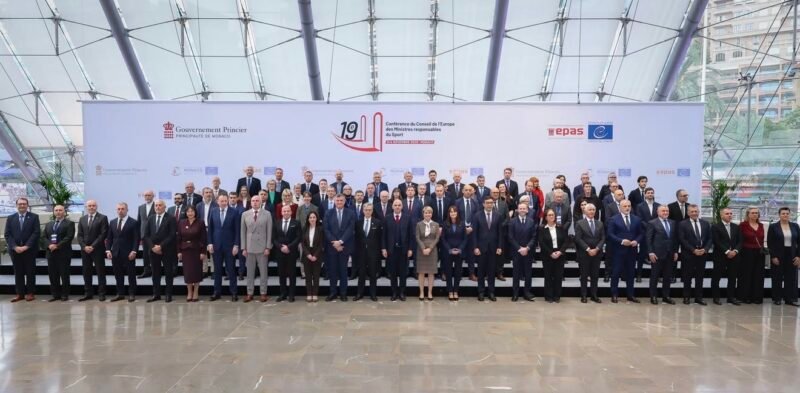
This contradiction took centre stage at the 19th Council of Europe Conference of Ministers responsible for Sport, hosted at Monaco’s Grimaldi Forum under the theme “Promoting a Safer and Healthier Sport.”
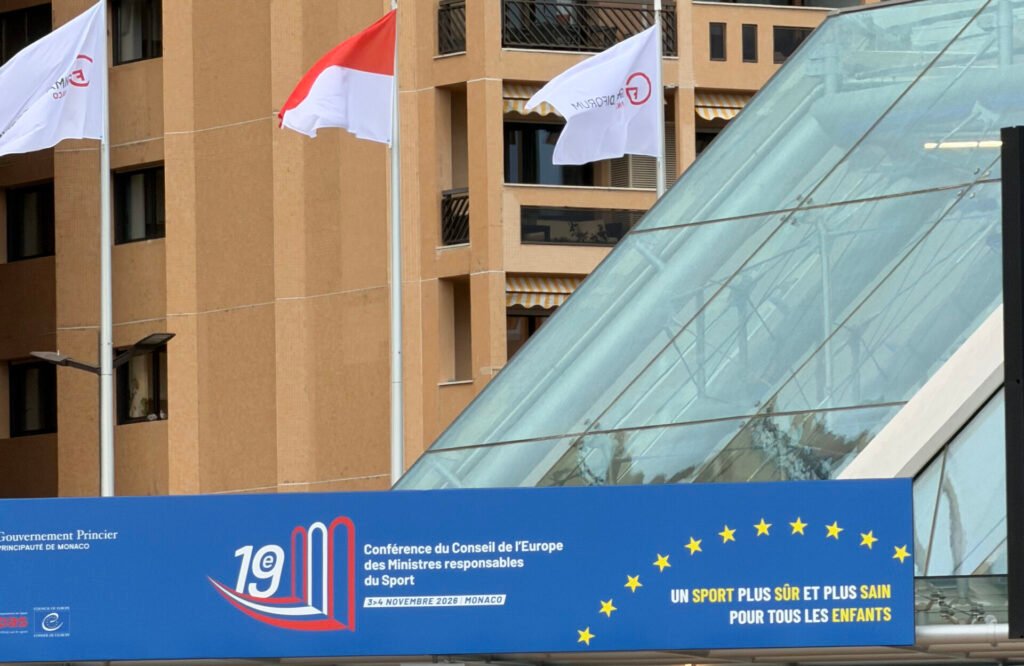
For the Principality, the gathering was more than a diplomatic event. It was an opportunity to help shape Europe’s approach to protecting the next generation.
Beyond the pursuit of victory
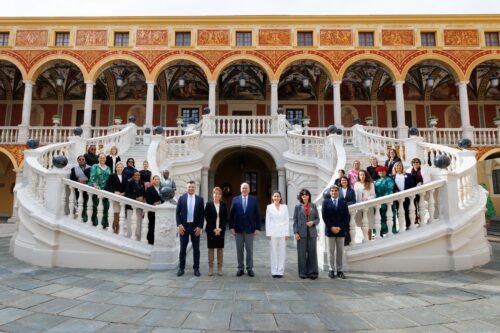
“Sport has a unique power, that brings people together,” declared H.S.H. Prince Albert II of Monaco, highlighting sport’s capacity to overcome divisions and strengthen solidarity.
But sport’s ability to unite is meaningful only when those participating feel safe.
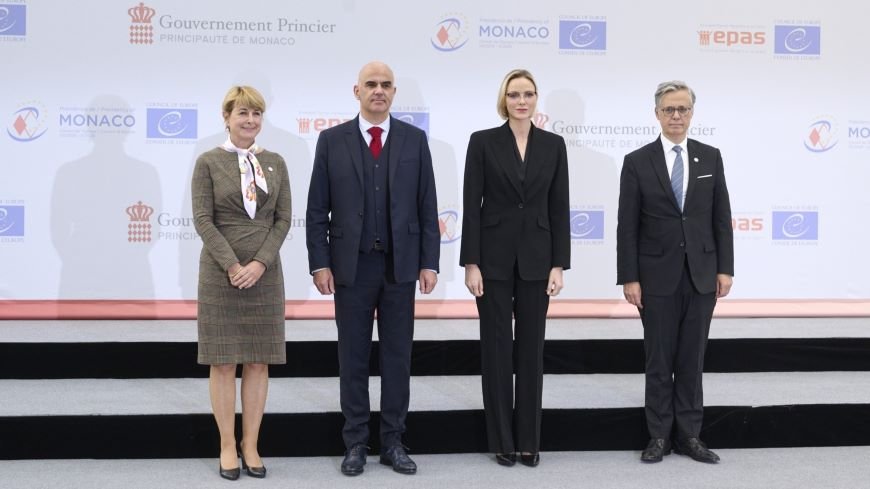
H.S.H. Princess Charlene, a former Olympic swimmer, brought a deeply human perspective to the discussion. Addressing the pressures faced by young athletes, she emphasised that children should never feel compelled to ignore pain, fear defeat or remain silent to avoid disappointing others.
“They should feel able to speak up, knowing that someone will listen and help.”
Her message reinforced the mission of the Princess Charlene of Monaco Foundation, which promotes water safety and education through sport.
It also raised a difficult question for sporting institutions: what is the value of safeguarding policies if children are afraid to use them?
From European principles to practical action
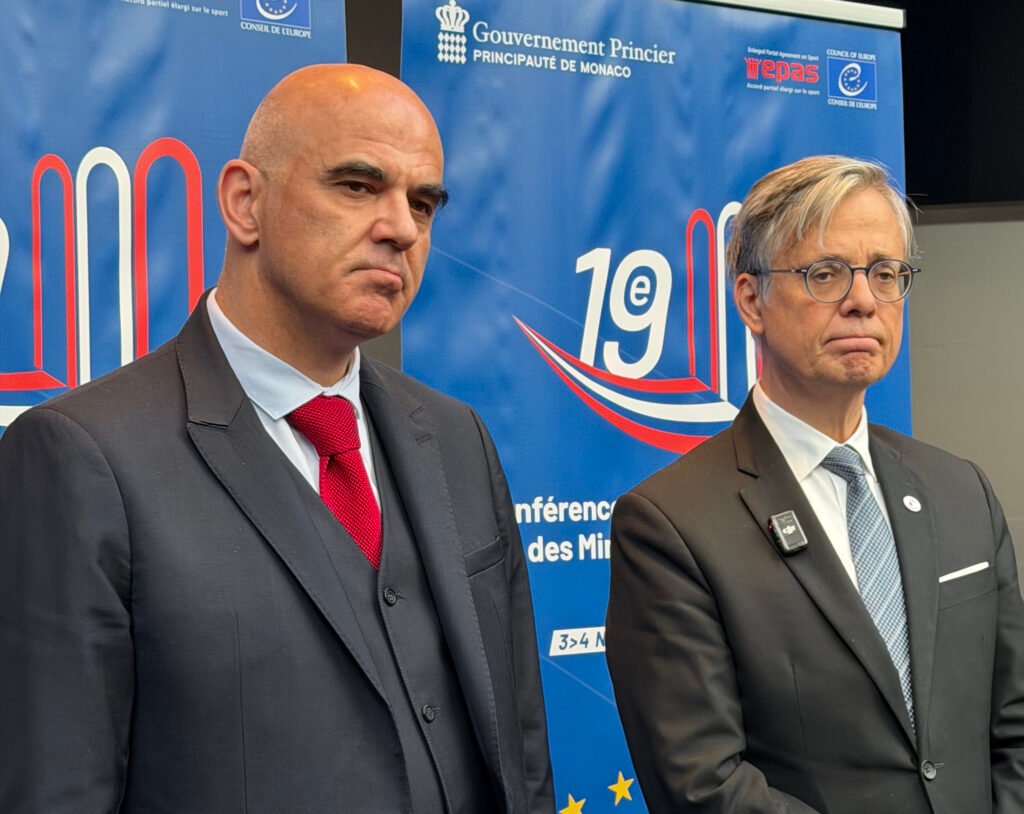
At a joint press conference, Alain Berset, Secretary General of the Council of Europe, described sport as a school of life, where children learn respect, cooperation and the ability to accept both victory and defeat.
He praised Monaco’s contribution to European cooperation and highlighted the importance of sharing effective safeguarding practices among the Council of Europe’s 46 member states.
Lionel Beffre, Monaco’s Minister of the Interior, outlined practical measures discussed at the conference, including stronger checks on coaches, designated safeguarding contacts within federations and improved procedures for reporting concerns.
He also referred to Monaco’s proposed sporting legislation, which could incorporate lessons from the gathering.
These measures may lack the glamour of international competitions, but they address a fundamental problem: rules alone cannot protect children unless institutions are prepared to enforce them.
Monaco’s influence beyond its borders
The conference also highlighted the Principality’s distinctive position in European diplomacy.
Berset recalled Prince Albert II’s words when Monaco joined the Council of Europe in 2004:
“Monaco joins its natural family.”
More than two decades later, Monaco continues to demonstrate how a small state can contribute to debates with consequences far beyond its borders.
The real legacy of this conference will not be measured by speeches or declarations, but by what follows: stronger safeguards, greater accountability and sporting environments where children can pursue excellence without fear.
At Ad Astra Journal Monaco, our philosophy is “To the Stars.” We celebrate ambition, courage and the pursuit of extraordinary dreams.
But perhaps the most important lesson from Monaco is that no dream should come at the expense of a child’s dignity or wellbeing.
As Princess Charlene reminded Europe’s sporting leaders:
“Every child deserves to feel safe and supported.”