The New Politics of Critical Minerals. Paris Peace Forum 2026
The energy transition is redrawing the map of economic power. Resource-rich countries want more than a share of the profits.
The world’s next industrial revolution may be powered by minerals extracted in developing countries. The question is whether those countries will get to industrialise themselves.
Copper, cobalt, lithium and rare earths are indispensable to electrification, digital technology and defence. Yet the race to secure them has exposed a contradiction at the heart of the energy transition. Industrial powers want reliable supplies and strategic independence. Resource-rich countries want factories, technology and a greater share of the wealth their resources make possible.
Both sides speak the language of sovereignty. They do not necessarily mean the same thing.
The scale of the problem is striking. According to the International Energy Agency, China is the dominant refiner of 19 of the 20 energy-related strategic minerals it examined, with an average market share of around 70%. Meanwhile, OECD figures cited at the forum indicate that export restrictions on critical raw materials have increased fivefold since 2009.
These are not merely symptoms of a supply-chain problem. They reflect a struggle over where industrial power will reside.
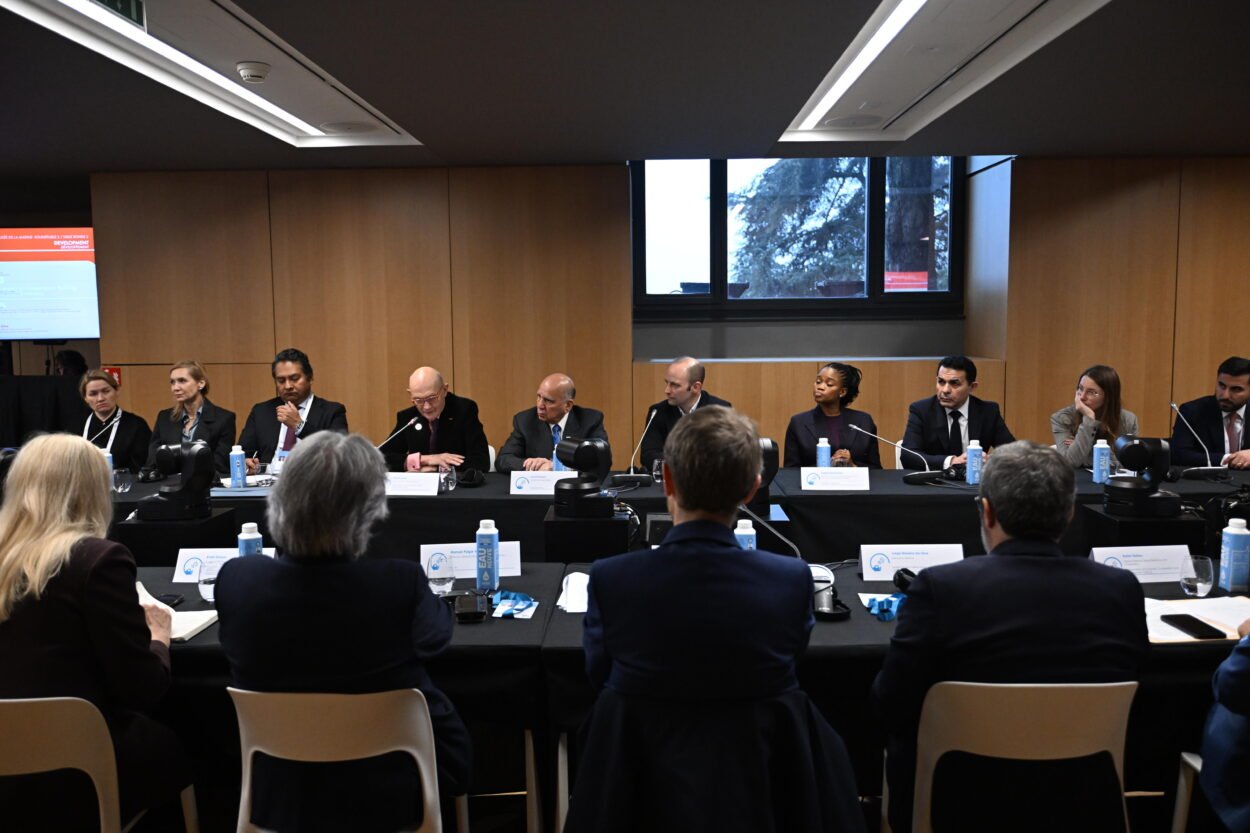
At the Paris Peace Forum 2026, a discussion on mineral cooperation revealed how difficult it has become to reconcile these competing ambitions.
The sovereignty paradox
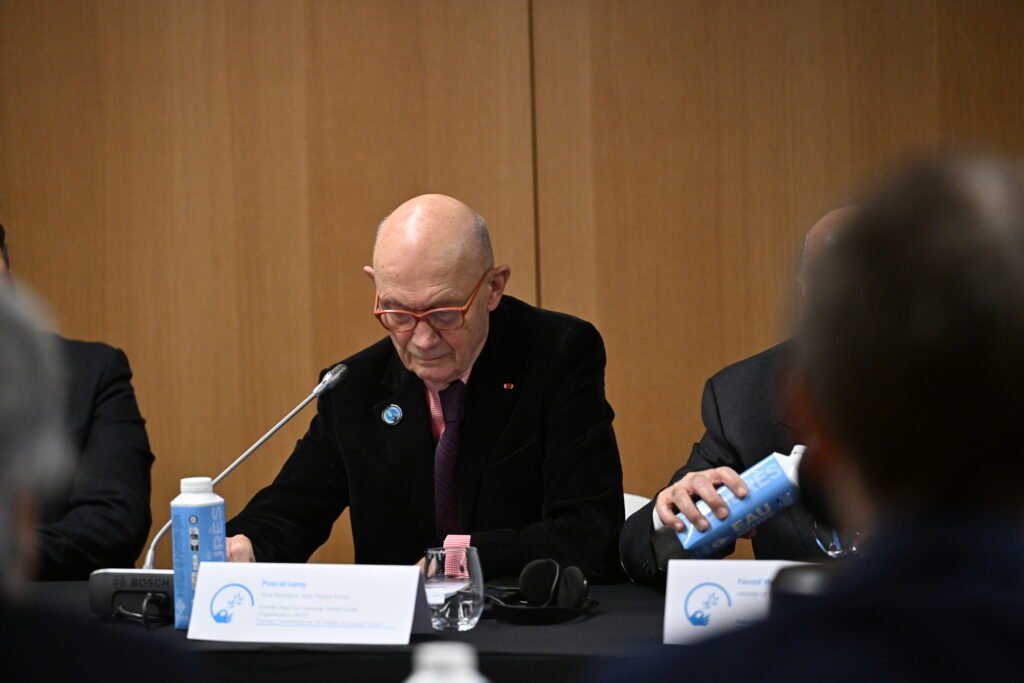
Pascal Lamy, the former director-general of the World Trade Organization, identified three forces fragmenting mineral trade: traditional export restrictions, the expanding use of national-security exceptions and the weaponisation of economic interdependence.
The consequences are uneven.
“The result is bad for the consumer and for the moment, good for the producer,” he observed.
For importing economies, fragmentation means higher costs and less predictable supply chains. For some resource-rich countries, it offers an opportunity to renegotiate relationships in which they have long supplied raw materials while others captured the industrial value.
Bogolo Kenewendo, representing Botswana’s president, Duma Gideon Boko, offered an example of how complicated the relationship between natural wealth and economic sovereignty can become.
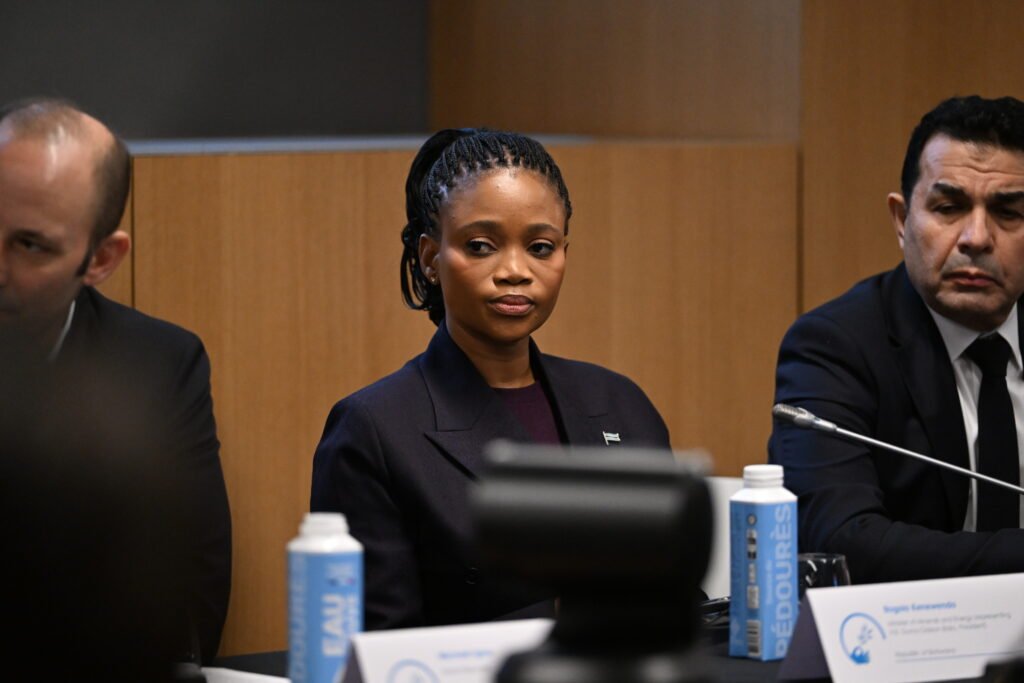
Botswana’s partnership with De Beers stretches back roughly half a century. At independence, the country had scant financial resources and was widely expected to struggle. The discovery of diamonds and its partnership with De Beers transformed its prospects. Botswana became one of the world’s fastest-growing economies in the 1990s and eventually attained upper-middle-income status.
But economic success did not mean complete control over the industry.
According to Kenewendo, provisions for developing local value chains had been included in agreements dating back to the 1970s. Yet meaningful progress came only decades later, when renegotiations in the 2000s brought De Beers’ sales operations to Botswana.
“You have to negotiate well early,” she said.
That applies to more than a share of the profits. Kenewendo argued that local industrial development, technology transfer and specific socioeconomic commitments must be built into agreements from the outset.
In the latest renegotiation, Botswana sought greater autonomy over diamond sales and deeper technological cooperation. Kenewendo specifically mentioned Element Six, the De Beers-owned company specialising in synthetic-diamond technologies.
She also told the forum that Botswana’s president had announced a doubling of the country’s shareholding in De Beers. That announcement requires independent confirmation, but the direction of the negotiations is revealing: Botswana wants not merely to earn revenue from extraction, but to exercise greater influence over the business built around its resources.
The lesson is that natural wealth can generate economic growth without guaranteeing industrial independence. What is not secured in the original agreement may have to be fought for decades later.
Manuel Pulgar-Vidal, Peru’s former environment minister and a leading figure at WWF, took the argument further.
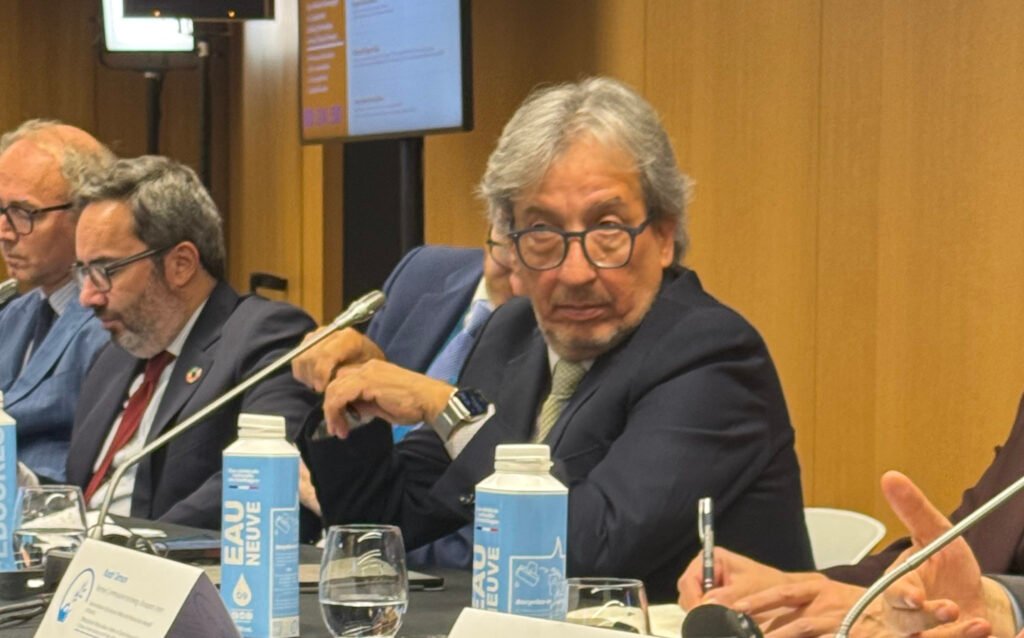
“I don’t think when we talk about critical minerals that we are talking about a scaling up of mining,” he said.
Peru’s experience illustrates the limits of extraction-led development. Producing more minerals does not necessarily create the industries, skills or technologies needed to turn mineral wealth into lasting prosperity.
Pulgar-Vidal argued for treating critical minerals as part of a new industrial economy, requiring innovation, domestic capabilities, biodiversity protection and respect for community rights.
Together, the Botswana and Peru perspectives challenged a convenient assumption: that the green transition will automatically bring development to the countries supplying its raw materials.
A cleaner energy system does not necessarily imply a fairer economic one.
Europe’s offer
For Kadri Simson, the former European commissioner for energy, the European Union has an opportunity to offer producing countries a different kind of partnership.
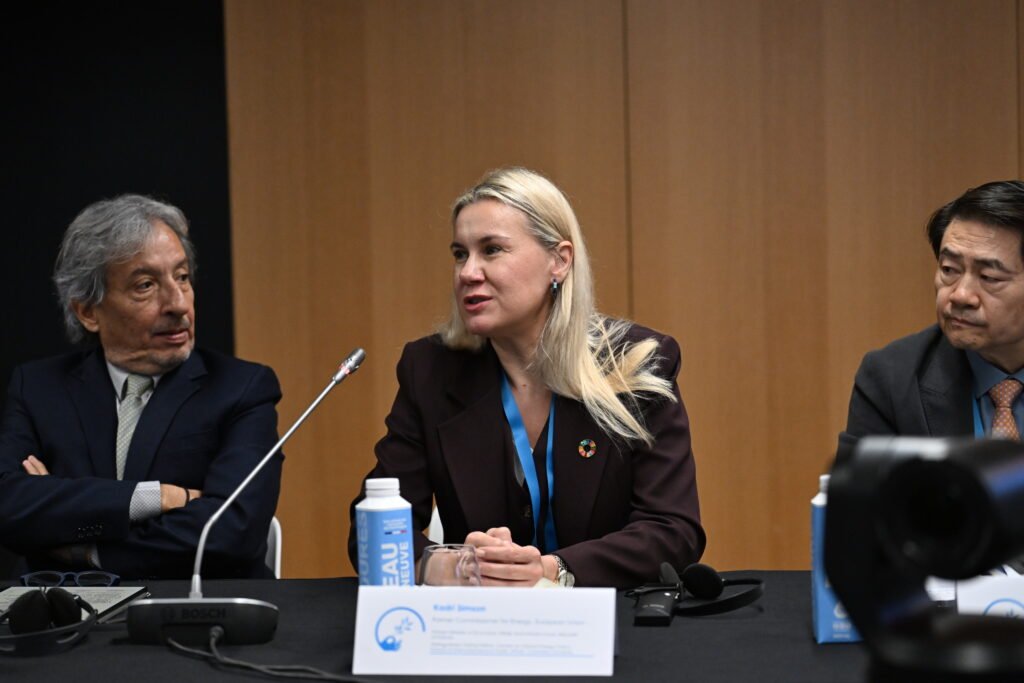
Europe wants to diversify its mineral supplies and reduce exposure to concentrated processing markets. That ambition could align with the industrial aspirations of resource-rich countries, Simson argued, if investment extends beyond extraction to processing and manufacturing.
The bargain sounds attractive. Producing countries gain jobs and industrial capabilities; Europe gains more resilient supply chains.
But Simson also highlighted the vulnerability of countries dependent on a single purchaser.
“So if everything is bought by a single buyer, you can’t negotiate fair price,” she said.
The EU has pursued strategic raw-materials partnerships with countries including Namibia, Zambia and the Democratic Republic of Congo. Yet their credibility will depend less on diplomatic declarations than on the industries they help establish.
Processing plants need reliable electricity, transport infrastructure, skilled workers and long-term financing. Technology transfer means little unless local businesses can make productive use of it.
Europe’s challenge is not simply to find alternative suppliers. It is to demonstrate that supply security and industrial development can reinforce each other.
China’s dilemma
Henry Wang Huiyao, founder and president of the Center for China and Globalization, viewed the problem through the lens of geopolitical rivalry.
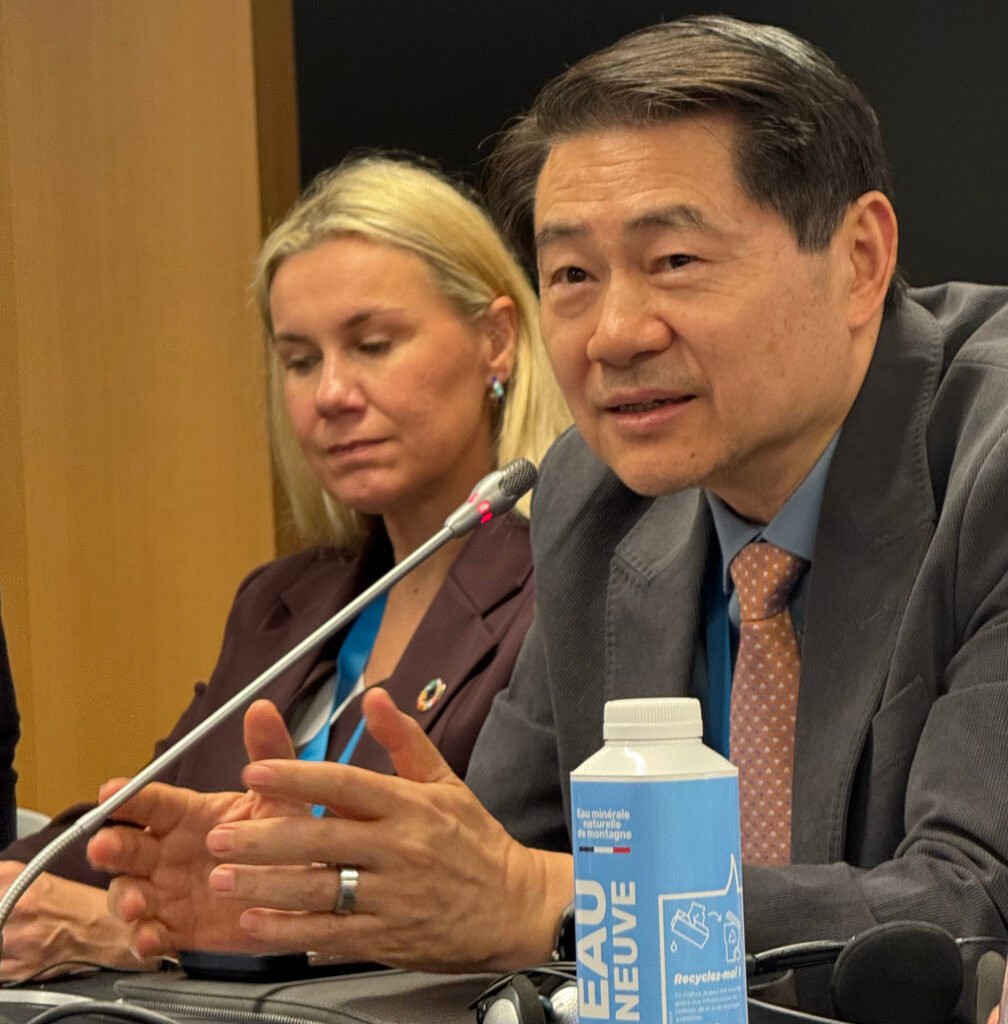
“We have a weaponised culture, basically, of this 21st century,” he said.
Wang argued that China’s position in mineral processing reflects decades of investment and technological development. Rather than treating those capabilities solely as a strategic threat, he suggested they could provide a foundation for international cooperation and technology transfer.
His argument has force. Countries seeking to develop processing industries need capital, technical expertise and access to established industrial networks.
Yet it contains a contradiction.
China’s capabilities make it a valuable potential partner. Their concentration is precisely what has prompted other economies to diversify.
The IEA’s findings underline the difficulty: refining remains highly concentrated, and diversification is expected to proceed slowly even as new projects emerge.
Can cooperation with a dominant processor help create a more balanced system — or will it reproduce dependence in a different form?
This is where Wang’s argument meets Lamy’s scepticism.
Both oppose the weaponisation of trade. But Lamy doubts that coalitions shaped by the rivalry between Washington and Beijing can provide a durable solution.
He called instead for a broader international framework built around shared principles.
One was particularly important:
“It must lead to more local value addition for developing countries.”
Industrial development, in other words, is no longer merely something importing countries might offer in exchange for access. It may be necessary to make cooperation politically sustainable.
The price of cooperation
Karim Dahou, speaking from the OECD perspective, exposed another contradiction: policies designed to reduce economic dependence can create new vulnerabilities of their own.
Export restrictions on critical raw materials have increased fivefold since 2009, according to the OECD figures cited during the discussion. The trend extends well beyond China.
Dahou pointed to restrictions on cobalt exports in the Democratic Republic of Congo and nickel exports in Indonesia.
Indonesia’s experience was particularly revealing. Restrictions helped attract investment in domestic smelting, but Dahou also described the emergence of overcapacity and market distortions.
The policy had achieved one industrial objective while creating new complications.
What happens when a measure intended to reduce dependence produces a different kind of dependence?
This is the dilemma facing governments on both sides of the mineral trade.
Producing countries want to capture more value domestically. Importing economies want predictable access. Yet neither unrestricted trade nor export controls automatically guarantee industrial development.
Dahou’s broader argument was that development itself is essential to maintaining open markets.
“Without development, there won’t be open trade and investment regimes.”
Resource nationalism, in this view, is not simply an obstacle to efficient trade. It is also a response to the perception that the benefits of globalisation have been distributed unequally.
Fuad Hussein, Iraq’s foreign minister, offered a reminder of another vulnerability. Drawing on disruptions to his country’s energy exports, he described the risks of depending on limited transport routes. His example concerned oil, but the principle extends to minerals: ownership provides little security if processing facilities or export corridors become points of failure.
The geography of production matters. So does the geography of everything that follows it.
Who holds the power?
The debate in Paris exposed a paradox: everyone wants greater independence, yet each is seeking it through control over the same supply chains.
Export restrictions can encourage industrialisation — and create new dependencies. Foreign investment can bring jobs while leaving technology and profits elsewhere. Even a partnership can become a trap.
Who ultimately wins: the countries that own the resources, or those that know how to turn them into technology and industrial power?
The energy transition promises to free the world from dependence on fossil fuels. But it may merely change the form that dependence takes.
The next struggle will be fought not so much over what lies beneath the ground, but over who controls what is built from it.
Ad Astra Journal | Monaco — Special coverage of the Paris Peace Forum 2026
Research references
- International Energy Agency, Global Critical Minerals Outlook 2025, Executive Summary.
- OECD, Inventory of Export Restrictions on Critical Raw Materials 2026.