Mare Nostrum: Albert II and Mattarella on Seven Centuries Between Italy and Monaco
Seven Centuries Across the Border: Mattarella and Albert II on the Ties Between Italy and Monaco
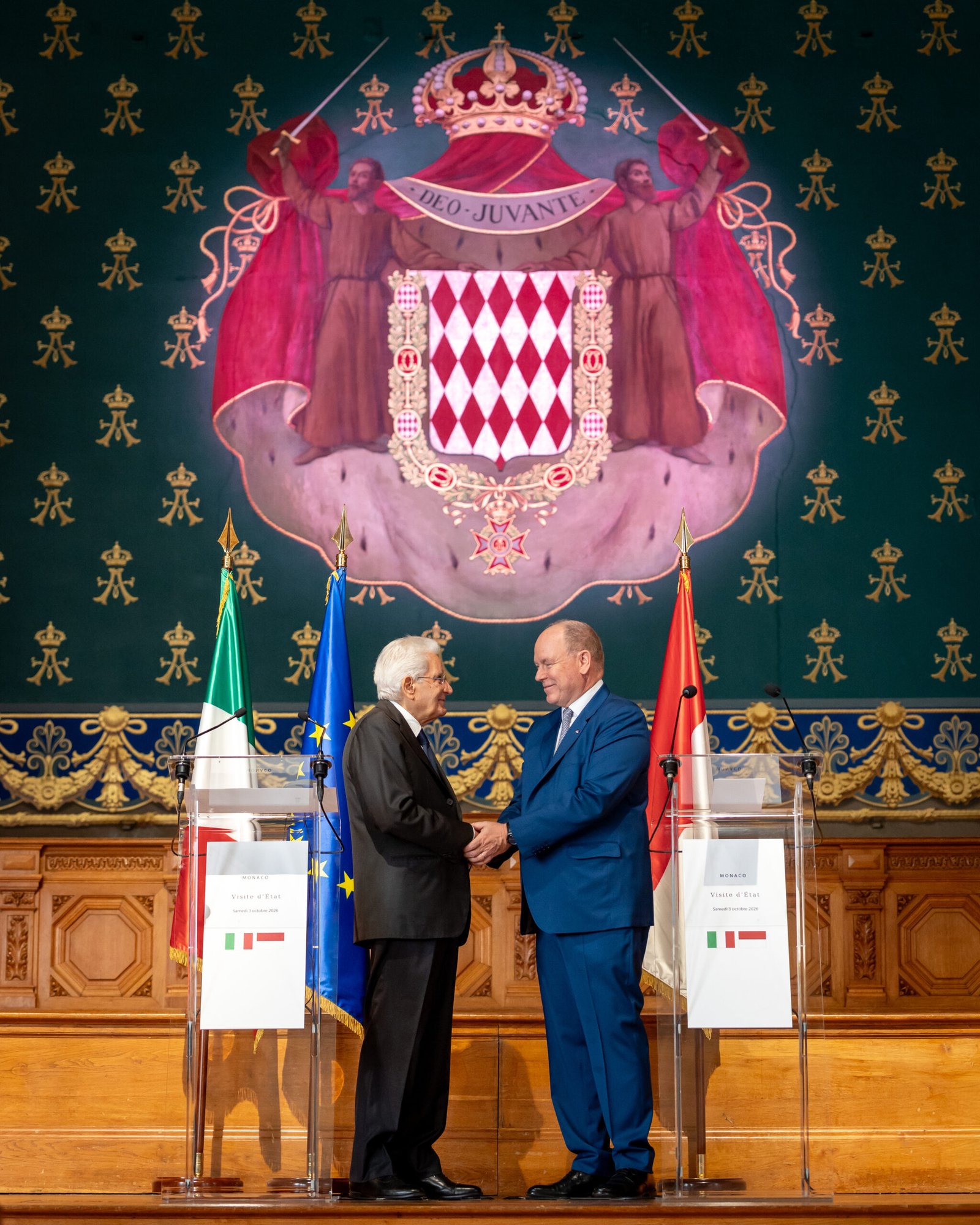
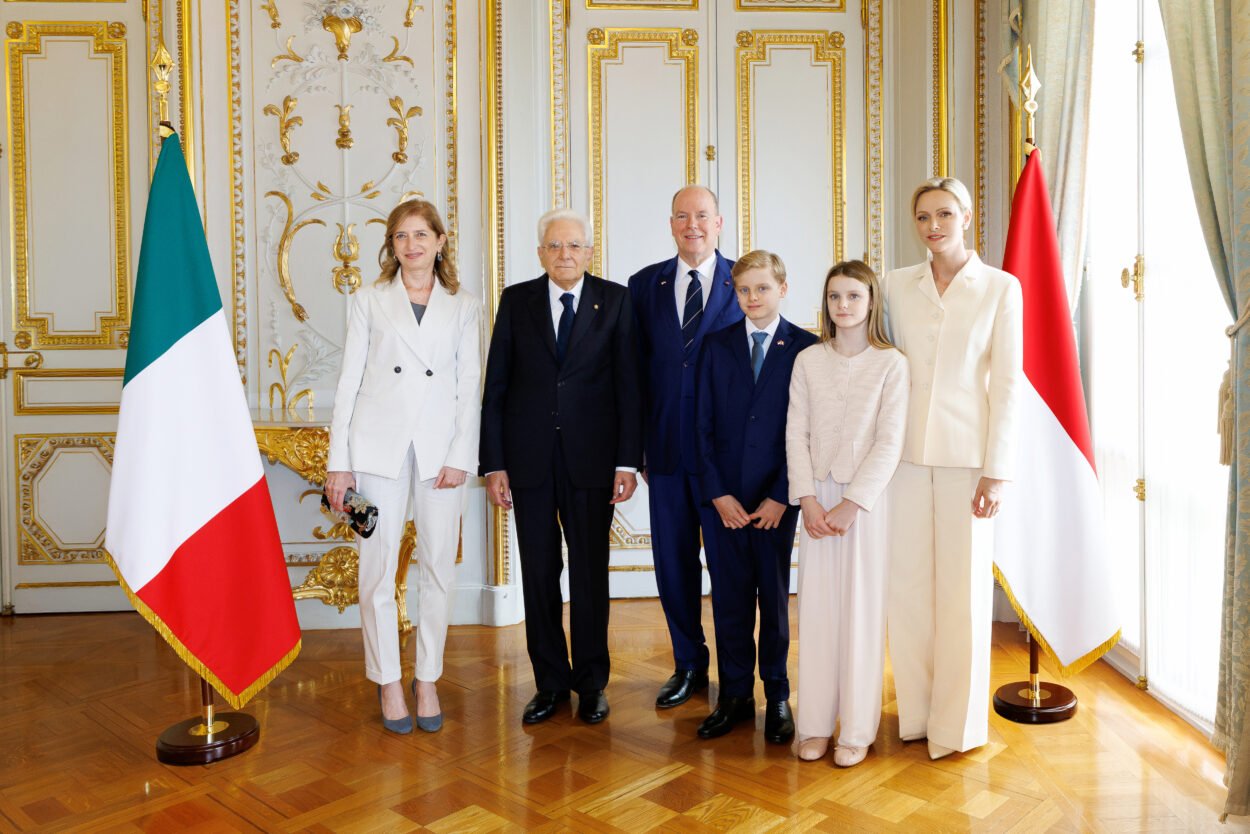
The first state visit by an Italian president to the Principality became less an exercise in protocol than a reflection on shared history — from the Genoese roots of the Grimaldi dynasty to Monaco’s modern Italian community, the daily life of the border and the Mediterranean, which Sergio Mattarella called on to become once again “a sea of peace and cooperation”.
On the night of 8 January 1297, the Genoese Francesco Grimaldi entered the fortress of Monaco. More than seven centuries later, Italian President Sergio Mattarella returned to that moment in his speech at the state dinner at the Prince’s Palace, describing it as the beginning of an “indissoluble bond” between Monaco and Liguria. Francesco Grimaldi’s actions, he said, marked the start of the Principality’s long history while binding it to that of the Italian coast.
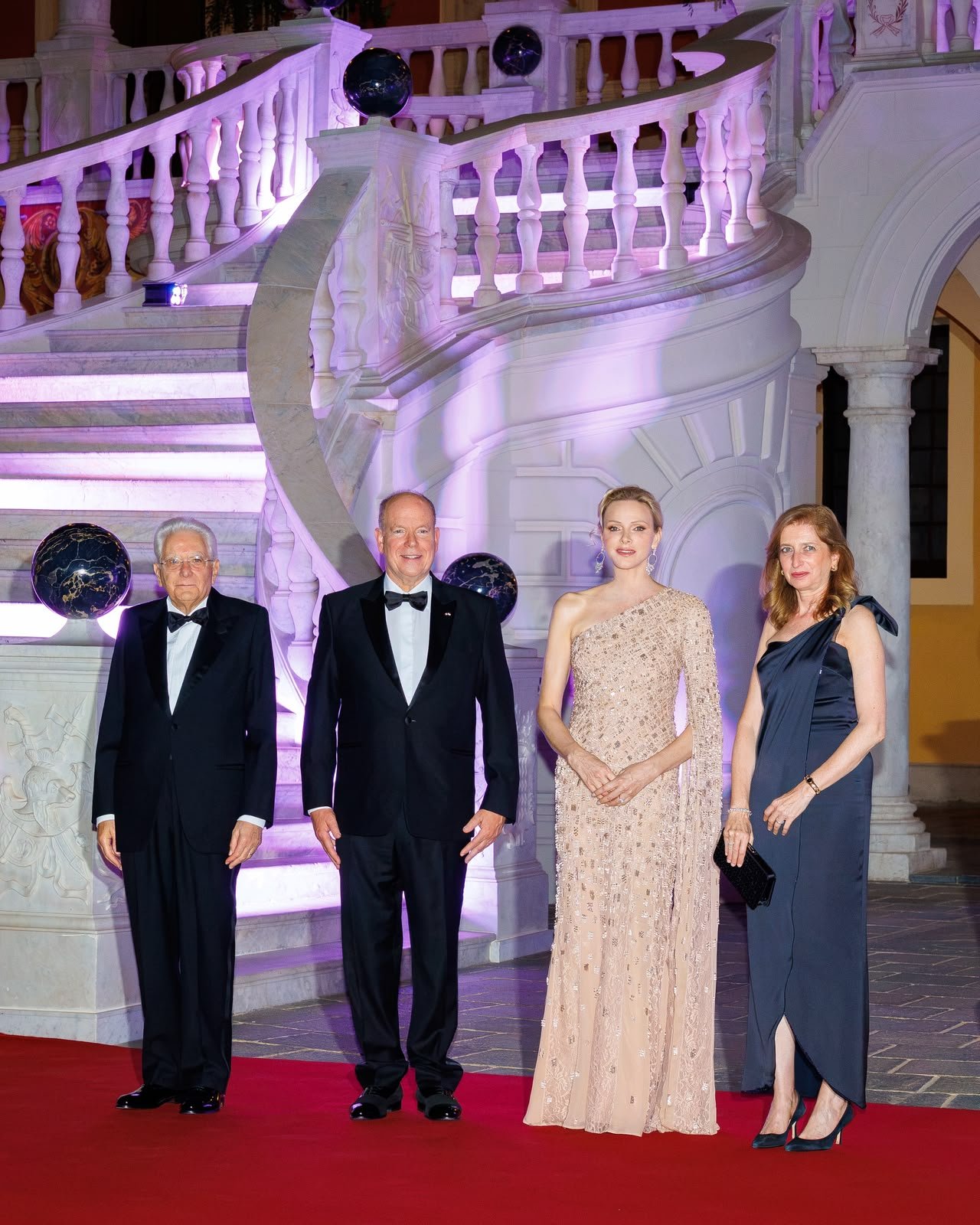
For Prince Albert II, that history is also personal.
“It has been more than seven centuries since my Grimaldi ancestors left Genoa for Monaco,” he said the following day at the Oceanographic Museum.
Mattarella’s visit on 2–3 October was the first state visit by a President of the Italian Republic to the Principality. At the dinner, Albert II observed that the diplomatic first had finally “filled a gap” in relations between the two neighbours.
Italy within Monaco
According to Albert II, Italians make up roughly one fifth of Monaco’s resident population and form the Principality’s second-largest foreign community. Italy, alongside France, is one of only two countries to maintain a resident embassy in Monaco.
There is another Italy, too: the one that crosses the border each morning to work in the Principality.
At the state dinner, Albert II spoke of Italian residents, cross-border workers and businesses that have become part of Monaco’s economic and social fabric.
“This evening, I wish to pay tribute to them and, with them, to all the Italians who over the centuries have contributed to Monaco’s development,” the Prince said. Their role in the country’s history, he added, had been “fundamental”, while the ties they created continue to enrich both sides of the border.
Mattarella struck much the same note. The Italian community, established in the Principality since the late nineteenth century, continues to contribute to Monaco’s economic, social and cultural development, he said.
Albert II put the relationship in everyday terms the next day: Italians, through their work and contribution to life in Monaco, “bring to life every day the privileged relationship that unites us”.
The relationship between the two countries is sustained not only when presidents and ministers meet, but every day by people, businesses and families on both sides of the border.
Behind the history, a practical agenda
The practical agenda is distinctly contemporary.
Albert II referred to negotiations over a new air-services agreement intended to update arrangements dating from 1989, as well as access for residents of neighbouring Liguria to medical care in Monaco. He also expressed hope for closer coordination through the Italian-Monegasque Administrative Cooperation Commission, reactivated in 2025.
Dclaration de S.A.S. le Prince la presse Visite d’Etat du Prsident de la Rpublique italienne Muse Ocanographique, samedi 3 octobre 2026.pdf
The expansion of cross-border remote working, he said, has made it easier to recruit employees from Italy, while the first Italy–Monaco Business Forum confirmed both sides’ interest in investment, innovation and closer partnerships between companies.
Dclaration de S.A.S. le Prince la presse Visite d’Etat du Prsident de la Rpublique italienne Muse Ocanographique, samedi 3 octobre 2026.pdf
Albert II said he hoped the visit would give fresh impetus to the dialogue “for the benefit of all those who, every day, bring the relationship between Monaco and Italy to life”.
Mare Nostrum
Speaking about the Mediterranean, Mattarella used its old Latin name — Mare Nostrum. Today, he said, the sea is shaken by conflict, violence and migration crises.
And yet, the aim must still be to make it once again “a source of civilisation, a sea of peace and cooperation between peoples”.
Fifty years ago, Italy, France and Monaco signed the RAMOGE agreement to protect the marine environment. Albert II described the anniversary as a reminder both of what the three countries have already achieved together and of how much remains to be done to preserve their shared Mediterranean.
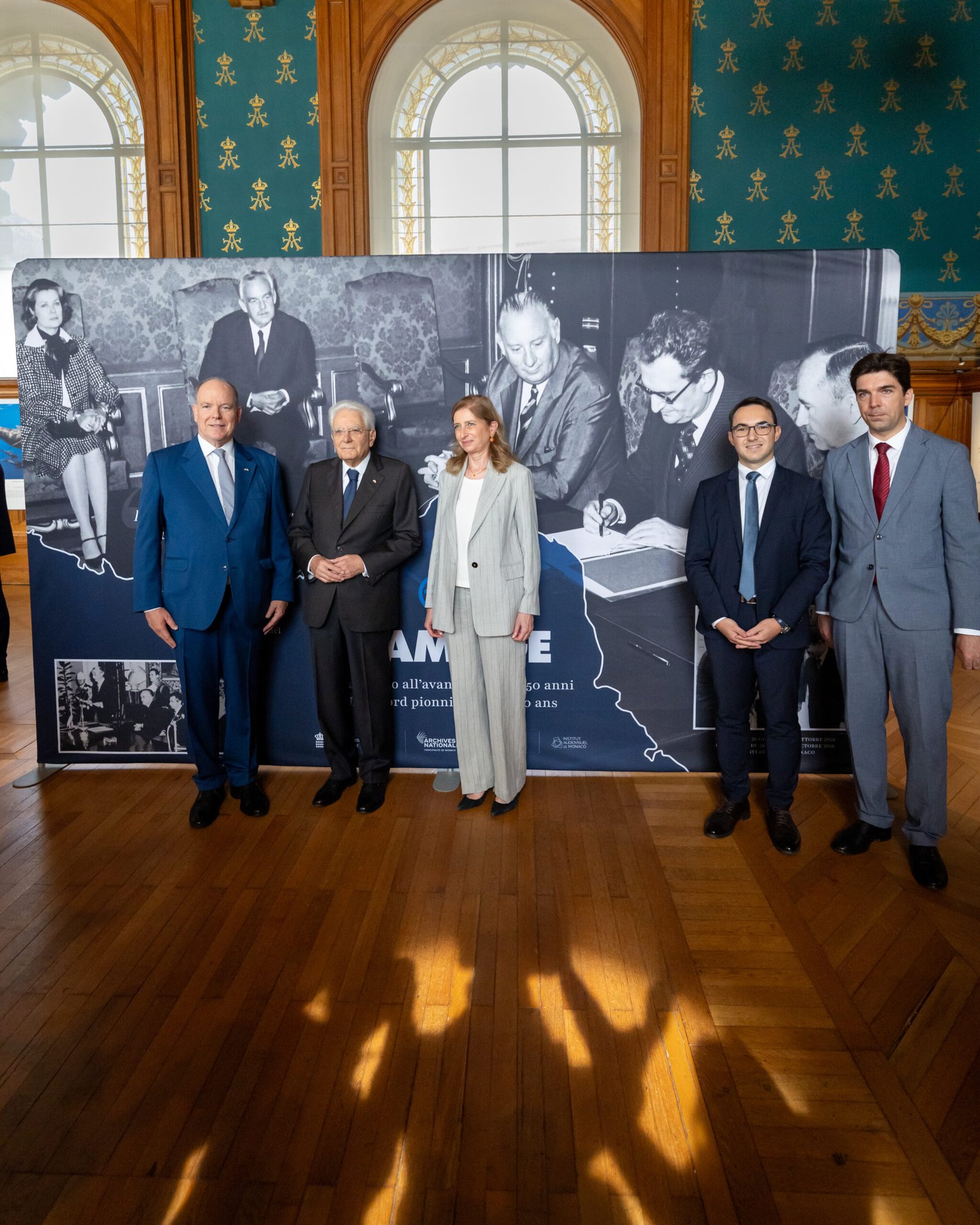
Mattarella placed the issue in a broader context, describing environmental protection as one of the challenges that will shape the future of the world and of the generations who will inherit it.
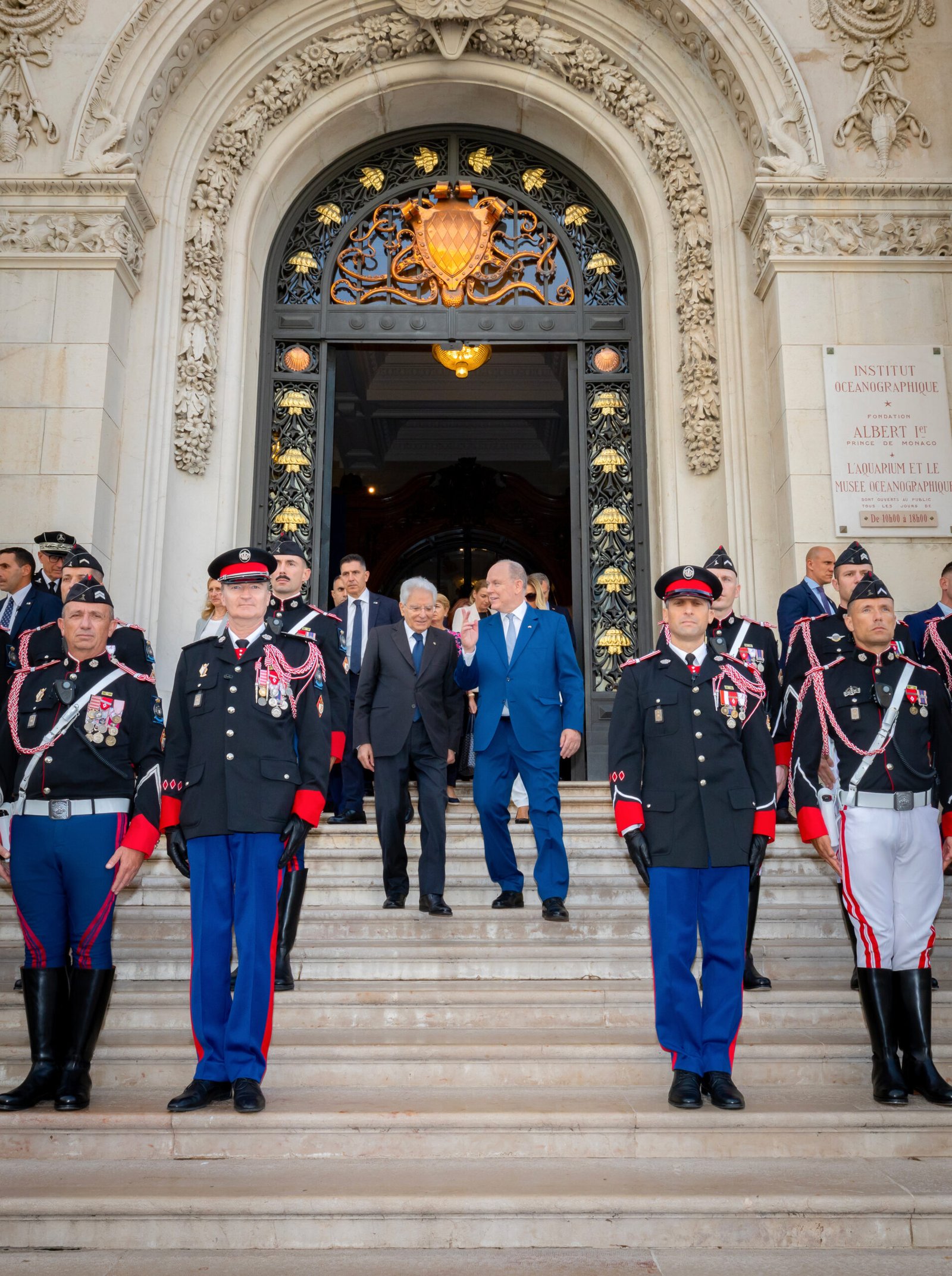
On Saturday, the President joined Albert II at the Oceanographic Museum, where marine protection formed part of the closing programme of the visit.
Sovereignty and peaceful coexistence
Mattarella also turned to the wider international climate.
He spoke of a world facing serious crises and the return of “dynamics of domination that we thought belonged to the past”. Against that backdrop, he pointed to Monaco’s ability over seven centuries to reconcile the preservation of its sovereignty with the pursuit of peaceful coexistence.
Albert II, for his part, spoke of Monaco and Italy’s shared commitment to dialogue, the rule of law and multilateralism.
Genoa and Liguria, the daily movement across the border, the Mediterranean, the environment and international law thus became parts of the same story — centuries old in origin, but unmistakably contemporary in substance.
“Simply a friendship”
Albert II ended on a more direct note.
“This historic, multifaceted, rich and fruitful relationship is, quite simply, a relationship of friendship,” the Prince said.
At the state dinner the previous evening, he had allowed himself a more personal tribute, describing Mattarella as a man for whom he has “particular esteem”, “an admirable Head of State” and the representative of a friendly country.
Mattarella chose to end with the words of the Monegasque poet Louis Notari, who in 1927, addressing the Principality’s flag in a sonnet, imagined a world in which every flag might say the same thing:
“May peace reign everywhere.”
After seven centuries of entanglement, the closing line required no diplomatic translation.