Monaco Reinvents the Housing Experience: A New Era of Choice, Innovation and Social Responsibility
The Principality introduces a major reform of its state-owned housing allocation system, placing residents, digital innovation and more efficient public services at the heart of its vision for the future.
In a Principality internationally recognised for its exceptional quality of life, forward-thinking governance and commitment to innovation, the future of housing is becoming an important expression of social responsibility.
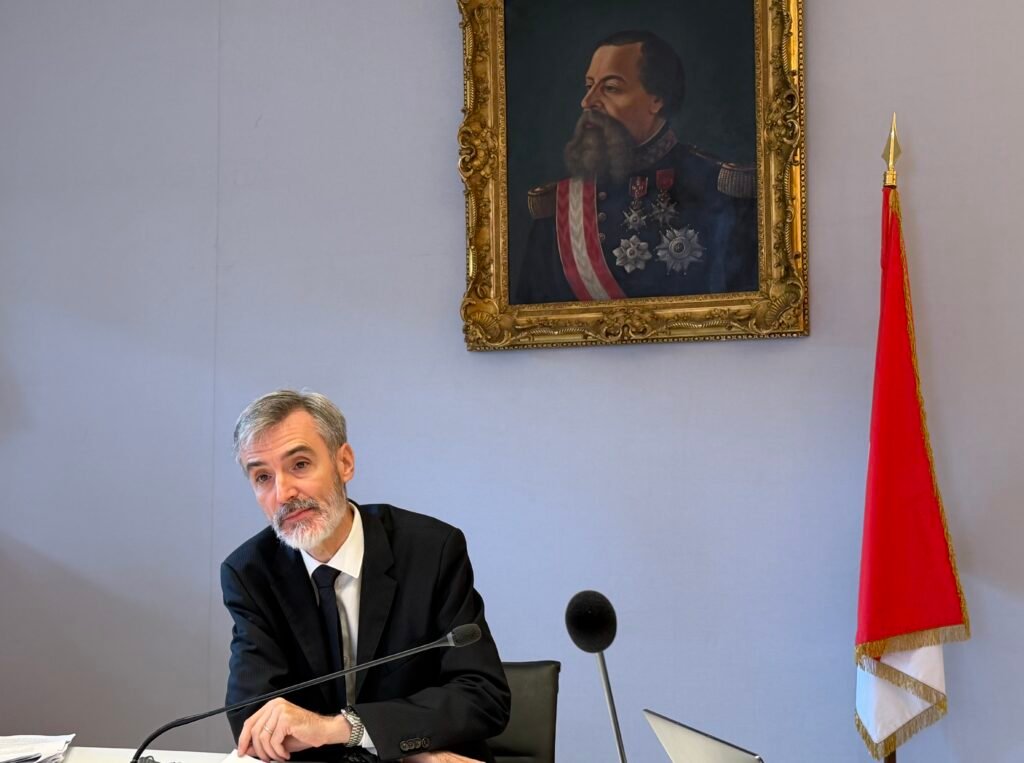
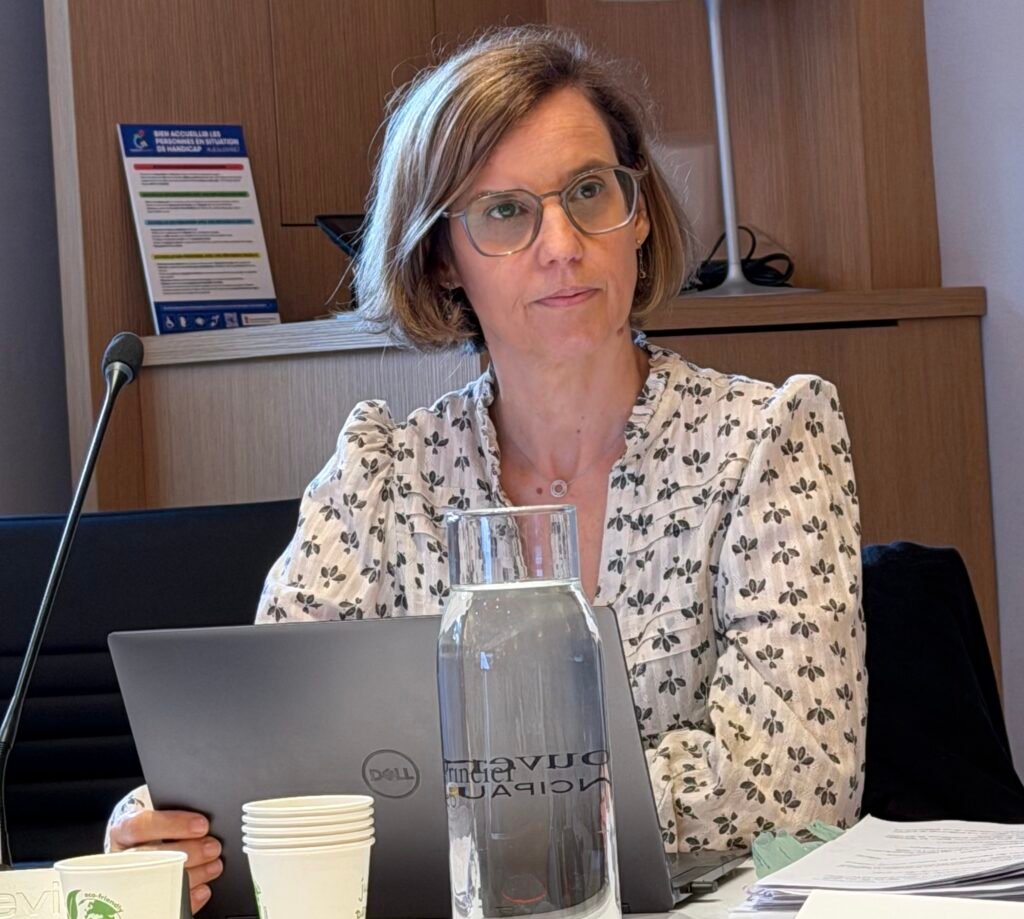
At a press conference held on Friday, 23 October, Frédéric Cottalorda, Government Counsellor–Minister of Finance and Economy, and Cécile Vacarie-Bernard, Director of Housing, presented a significant transformation of Monaco’s state-owned housing allocation system.
The initiative, entitled Expérience Logement, represents more than an administrative modernisation. It introduces a new relationship between the Government and Monegasque residents, built around greater flexibility, individual choice and improved efficiency.
From Waiting to Choosing: A New Philosophy of Housing
At the heart of Monaco’s housing reform lies a fundamental shift in philosophy: placing residents at the centre of the decision-making process.
As Frédéric Cottalorda emphasised during the presentation, the ambition is to transform Monegasque residents from passive applicants awaiting a decision into active participants in their own housing journey.
This vision reflects a distinctive approach to public innovation — one in which technological progress is measured by its ability to respond to individual needs.
Under the previous system, eligible residents could be offered accommodation without having the opportunity to express detailed preferences.
The new approach allows applicants to review available properties, consider their location, size and rental costs, and rank suitable apartments according to their priorities.
As the Direction de l’Habitat summarised in its official presentation:
“Le candidat est acteur de son attribution.”
The applicant plays an active role in their housing allocation.
This principle reflects a broader philosophy: public services should increasingly adapt to people’s lives, rather than requiring people to adapt to administrative procedures.
A Faster, More Responsive System
One of the reform’s central objectives is to reduce waiting times by increasing the frequency of housing allocation commissions.
The Government plans a progressive transition from one commission in 2026 to two in 2027 and three annually by 2028.
The new online application service is scheduled to open in early November 2026, ahead of the first allocation under the revised system in the first quarter of 2027.
Approximately 100 renovated apartments are expected to be allocated during that first commission.
The Government also indicated that around €6 million is allocated to apartment renovations over 2026–2027, supporting its objective of returning vacant properties to use more quickly.
By reducing the time between the renovation and reallocation of apartments, Monaco aims to make more efficient use of its existing housing portfolio.
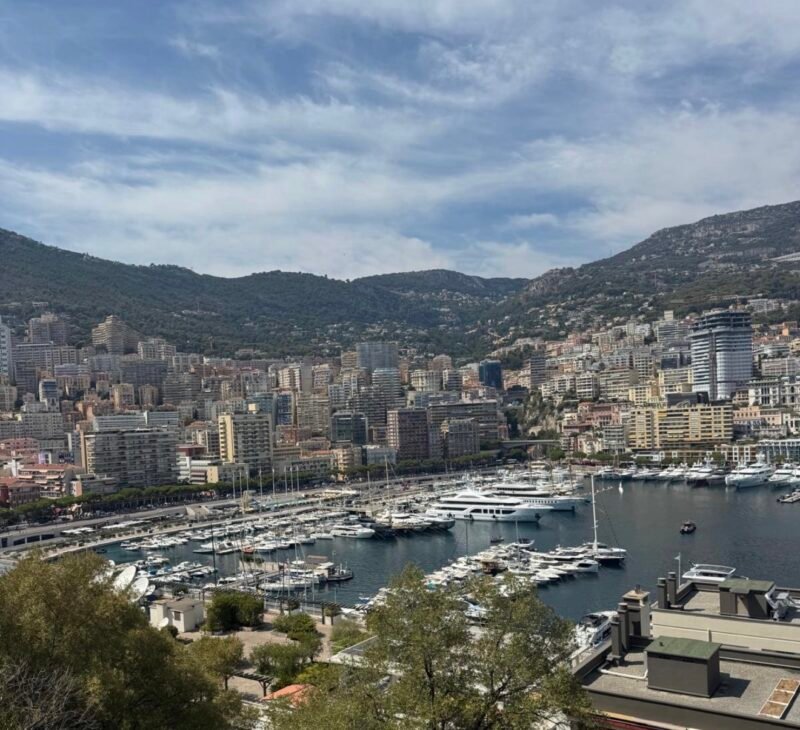
This is particularly meaningful in a country where available land is exceptionally limited and every residential space represents a valuable resource.
Digital Innovation with a Human Touch
Developed through close collaboration between the Direction de l’Habitat and the Délégation Interministérielle chargée de la Transition Numérique, Expérience Logement introduces a unified digital journey.
Residents will be able to submit applications throughout the year, maintain an eligible application for twelve months, receive updates on their application and review proposed accommodation through a dedicated interface.
The platform will provide practical information, including photographs, apartment characteristics, location and rental costs, allowing applicants to make more informed choices.
Yet one of the most significant aspects of the reform is its commitment to preserving personal assistance.
Five members of the Housing Department are dedicated to supporting the allocation process, while the Maison du Numérique will assist residents who may be less familiar with online services. Paper applications will also remain possible.
The Government’s official presentation captures this philosophy:
“Derrière les outils numériques, une administration de proximité.”
Behind digital tools, an administration that remains close to its people.
This commitment illustrates an essential principle of responsible innovation: technology should strengthen the relationship between institutions and citizens, not replace it.
Sustainability Beyond Construction
In Monaco, where urban space is among the most precious resources, sustainable development extends beyond environmental performance and new construction.
It also involves the intelligent management of existing infrastructure.
By encouraging greater mobility within the state-owned housing portfolio, accelerating apartment renovations and reducing periods of vacancy, the reform has the potential to contribute to more efficient use of the Principality’s built environment.
The Government has also announced adjustments to incentives for households returning accommodation larger than their needs, including financial assistance linked to the number of rooms released.
These measures are designed to encourage better circulation of available housing and respond more effectively to changing family circumstances.
Although Expérience Logement was not presented as an environmental programme, its emphasis on optimising existing housing resources offers a meaningful connection to the principles of sustainable urban management.
It also reflects an increasingly important international conversation: how can cities make better use of what they already have while maintaining a high quality of life?
A More Personalised Future for Monegasque Families
Beyond technology and administrative efficiency, the reform addresses a fundamental question: how can public policy respond more precisely to the evolving needs of its citizens?
A young professional, a growing family and an older resident may have very different expectations of their home.
The new system aims to recognise these differences while preserving an allocation framework based on applicants’ circumstances and points.
Applicants will be able to express neighbourhood preferences and rank suitable properties, while the final allocation will continue to depend on established criteria and the choices expressed by other candidates.
As explained during the presentation, the system seeks the best possible outcome collectively, which does not necessarily mean that every applicant will receive their first choice.
Greater freedom to express preferences does not guarantee an allocation. It does, however, create an opportunity for a more responsive process, better aligned with individual expectations.
Monaco’s Vision: Progress in Service of People
Under the reign of H.S.H. Prince Albert II, Monaco has cultivated a strong international identity around sustainability, innovation and long-term responsibility.
The housing reform can be understood within this broader culture of modernisation, combining technological advancement with the Principality’s tradition of close public service.
Its significance lies not only in the introduction of a new digital platform, but in the ambition to create a more transparent, flexible and accessible experience for Monegasque residents.
The next challenge will be to translate these objectives into measurable results: shorter waiting times, fewer vacant apartments, greater satisfaction among applicants and a process that families find easier to navigate.
For a country whose identity is closely connected to both tradition and progress, meaningful innovation is ultimately measured by the benefits it brings to everyday life.
Expérience Logement offers an opportunity to demonstrate how a modern administration can combine digital efficiency with individual choice and human attention.
And in a world where cities are increasingly searching for intelligent ways to manage limited space and public resources, Monaco’s experience may offer valuable lessons beyond the borders of the Principality.
Because the true measure of a forward-looking society is not only how intelligently it prepares for the future, but how thoughtfully it cares for the people who will live in it.