Redefining Victory: IPC First Vice-President Leila Marques Mota on Sport, Leadership and Inclusion
From missing a Paralympic medal by just three hundredths of a second to becoming First Vice-President of the International Paralympic Committee, Leila Marques Mota speaks exclusively to Ad Astra Journal Monaco about ambition, equality and the power of sport to transform lives.
Three hundredths of a second. That was all that separated Leila Marques Mota from a Paralympic medal in Athens.
For most athletes, such a narrow defeat would be remembered as a painful missed opportunity. For Mota, it became the beginning of a much greater ambition.
She realised that her purpose in sport extended beyond winning medals. What mattered was using its power to challenge perceptions, break down barriers and create opportunities for others.
Today, as First Vice-President of the International Paralympic Committee (IPC), she is helping shape the future of a movement whose influence reaches far beyond the sporting arena.
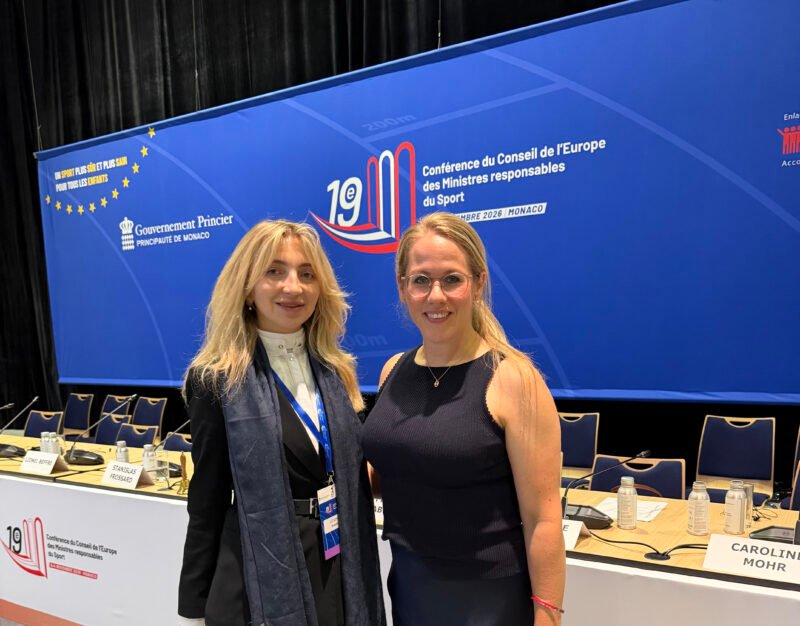
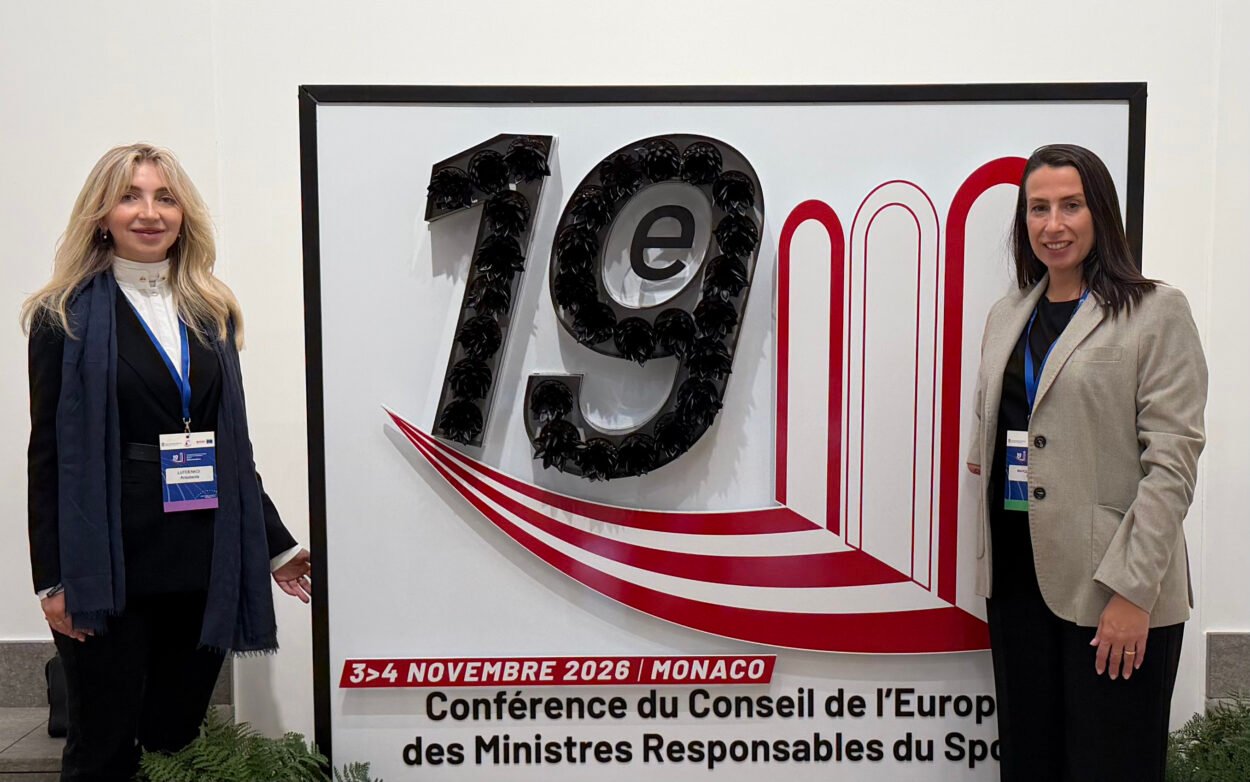
Speaking exclusively to Ad Astra Journal Monaco during the 19th Council of Europe Conference of Ministers responsible for Sport, Mota discusses the defining moments of her journey, the unfinished work of inclusion and why the next generation of women leaders should never wait until they feel ready to succeed.
The Interview
Ad Astra Journal Monaco: How did your experience as a Paralympic athlete shape the person and leader you are today?
Leila Marques Mota: It made all the difference.
I was fortunate to grow up in a family that valued sport, even before my parents knew they would have a child with a disability. My two older sisters were already involved in sport, and my parents believed it could help me develop confidence and independence.
They never wanted my disability to define me or limit what I could achieve.
I tried different sports before falling in love with swimming. Through swimming, I discovered not only what I could accomplish as an athlete, but also how sport could help change perceptions of people with disabilities.
It taught me patience, creativity and determination.
I developed a mindset that nobody else would define my limits. If I wanted to achieve something, I would try. And if I failed, I would learn and keep going.
You missed a Paralympic medal in Athens by just three hundredths of a second. How did that moment change your perspective?
I was very angry at the time.
Everything had seemed aligned for me to win a medal. Missing it by such a small margin was incredibly frustrating, and it could easily have pushed me away from sport.
But when I looked back at the experience, I realised something important: I wasn’t involved in sport just for medals.
I had another purpose.
I decided to compete at one more Paralympic Games, in Beijing, even though I knew winning a medal would be difficult. I was getting older, and younger athletes were becoming increasingly competitive.
But I wanted to continue showing up, speaking out and contributing.
I knew that when my athletic career ended, I wanted to remain involved in the Paralympic movement and help ensure that children with disabilities would have opportunities to participate in sport.
How did that ambition lead you into international sports leadership?
I was fortunate to have people who believed in me.
We often discuss the importance of men being allies in advancing gender equality. I experienced that personally.
The president of the Portuguese sports federation for people with disabilities encouraged me to remain involved and find a way to contribute beyond my athletic career.
I eventually became president of the federation and, some years later, vice-president of the Portuguese Paralympic Committee.
I continued working on gender equality and developing opportunities in sport.
After approximately 30 years as an athlete and sports leader in Portugal, I felt it was time to contribute at an international level and help the Paralympic movement continue to grow.
What do you consider the Paralympic movement’s greatest achievement over the past decade?
I believe our greatest achievement has been using sport as a tool for social impact.
The Paralympic Games are extraordinary events. They allow athletes to demonstrate their abilities and achieve remarkable performances.
But what matters just as much is the legacy they leave behind.
We want the Games to make a lasting difference in the countries that host them and, gradually, around the world.
That means helping advance the rights of people with disabilities, creating opportunities to participate in sport and supporting better health and wellbeing.
We are working on an impact strategy that recognises sport as a powerful instrument for social change.
The medals and performances are important, but the opportunities we create beyond the Games are equally significant.
Monaco is a small country with an international profile. What role can it play in advancing inclusion?
Every country has work to do, including the largest and most developed nations.
Disability must remain part of the conversation whenever decisions are made. Too often, it is not automatically considered.
We need to make sure that people with disabilities are visible, represented and heard — in newspapers, on television, in advertising and in public life.
In sport, we must create the conditions that allow everyone to participate.
Physical barriers still exist, but sometimes social barriers can be even more difficult to overcome.
Every country, regardless of its size, can contribute to removing those barriers.
As a woman in international sports leadership, what changes would you like to see for the next generation?
We are seeing more girls and young women participating in sport, which is encouraging.
But when we look at leadership positions, coaching, refereeing and other technical roles, there is still a significant gap.
Women remain underrepresented in decision-making positions across international and national sports federations.
We need to create more opportunities.
Sometimes quotas can help open those spaces. But the objective is not simply to appoint women to meet a target. It is to create an environment where more women can develop their skills, gain experience and contribute their perspectives.
When women are given opportunities, they bring enormous value to organisations.
We need more women at the table where decisions are made.
What advice would you give to young women who aspire to leadership but doubt whether they are ready?
Never wait until you feel completely prepared.
When you move from one position to another, you may feel that you don’t have all the knowledge or experience you need.
But you have to take that first step. You will continue learning along the way.
I would also encourage young women to build their networks before they need them.
Find mentors. Learn from people with experience. Ask whether you can observe their work and understand how they approach challenges.
Seeking guidance is not a weakness. It is a strength.
Don’t wait for the perfect moment to begin.
Beyond the Medal
She lost a medal by three hundredths of a second. She went on to gain a much bigger platform.
Today, Leila Marques Mota is helping redefine what victory means — not just for athletes, but for the millions of people whose opportunities sport can transform.
Some victories are measured in seconds. Others change generations.