The United Nations: Beyond Institutions and Diplomacy
On people, leadership, and the value of dialogue in a world where consensus is increasingly fragile.
“Life is not linear.”
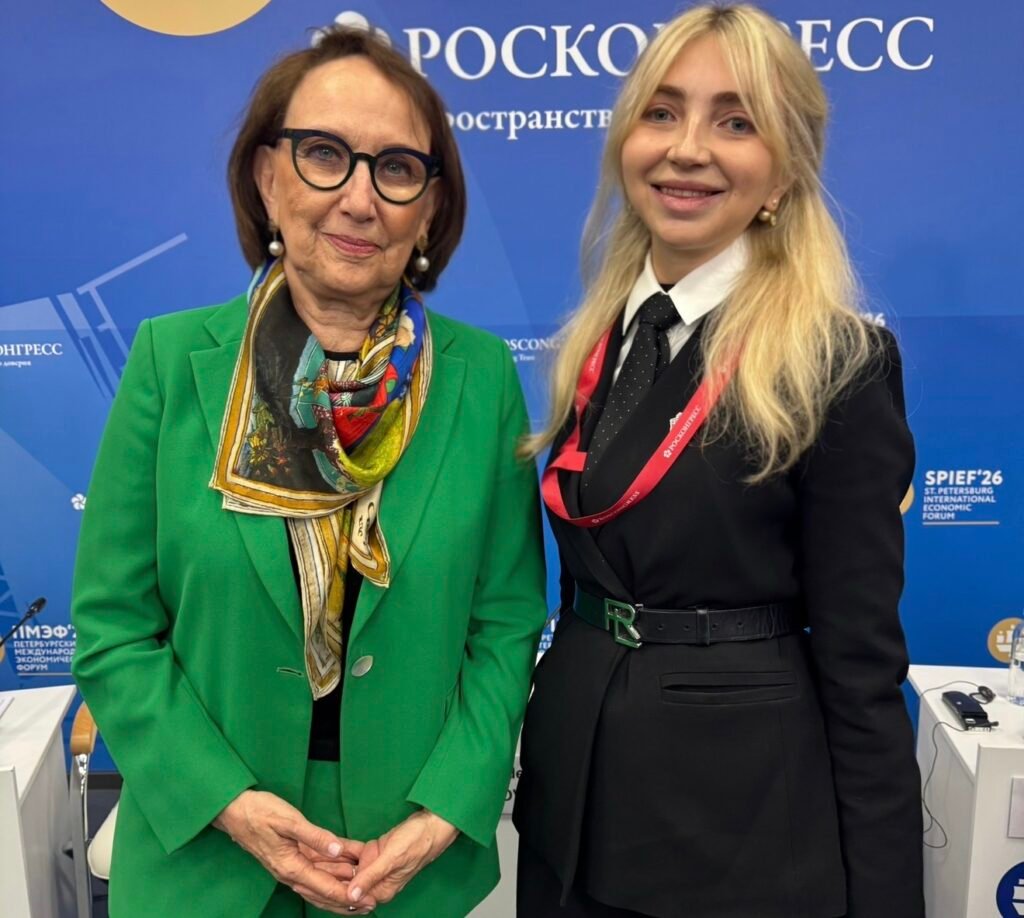
That was the answer Rebeca Grynspan, Secretary-General of the United Nations Conference on Trade and Development (UNCTAD), gave when I asked her, what advice she would offer young women aspiring to leadership positions.
Rather than speaking of ambition or perseverance, she reflected on raising children, difficult professional choices, and the occasional need to reconsider one’s plans. A career, she explained, is rarely a continuous upward trajectory. There are pauses, unexpected turns, and moments that may appear to be setbacks but are not necessarily failures.
Her answer was a reminder that the most interesting parts of a career rarely appear on a résumé.
Our conversation brought to mind an aspect of international affairs that is often overlooked. We tend to understand the United Nations through its institutions, resolutions, and diplomatic negotiations. Yet behind these structures are individuals whose decisions and convictions help determine whether principles proclaimed on the international stage are translated into meaningful action.
On United Nations Day, this human dimension seems particularly worth considering. It also raises a broader question: what is the value of the UN in a world where international consensus is becoming increasingly difficult to achieve?
My introduction to the UN system began not within its institutions, but through international encounters and initiatives that gradually shaped my understanding of its work.
In December 2023, at the COP28 climate conference in Dubai, I met Maimunah Mohd Sharif, who was then Executive Director of the United Nations Human Settlements Programme (UN-Habitat).
What interested me about her approach to sustainable urban development was its emphasis not only on infrastructure and environmental indicators, but above all on people’s quality of life. Behind the technical language of urban planning lies a more fundamental question: what kind of conditions are we creating for those who will inhabit our cities in the decades to come?
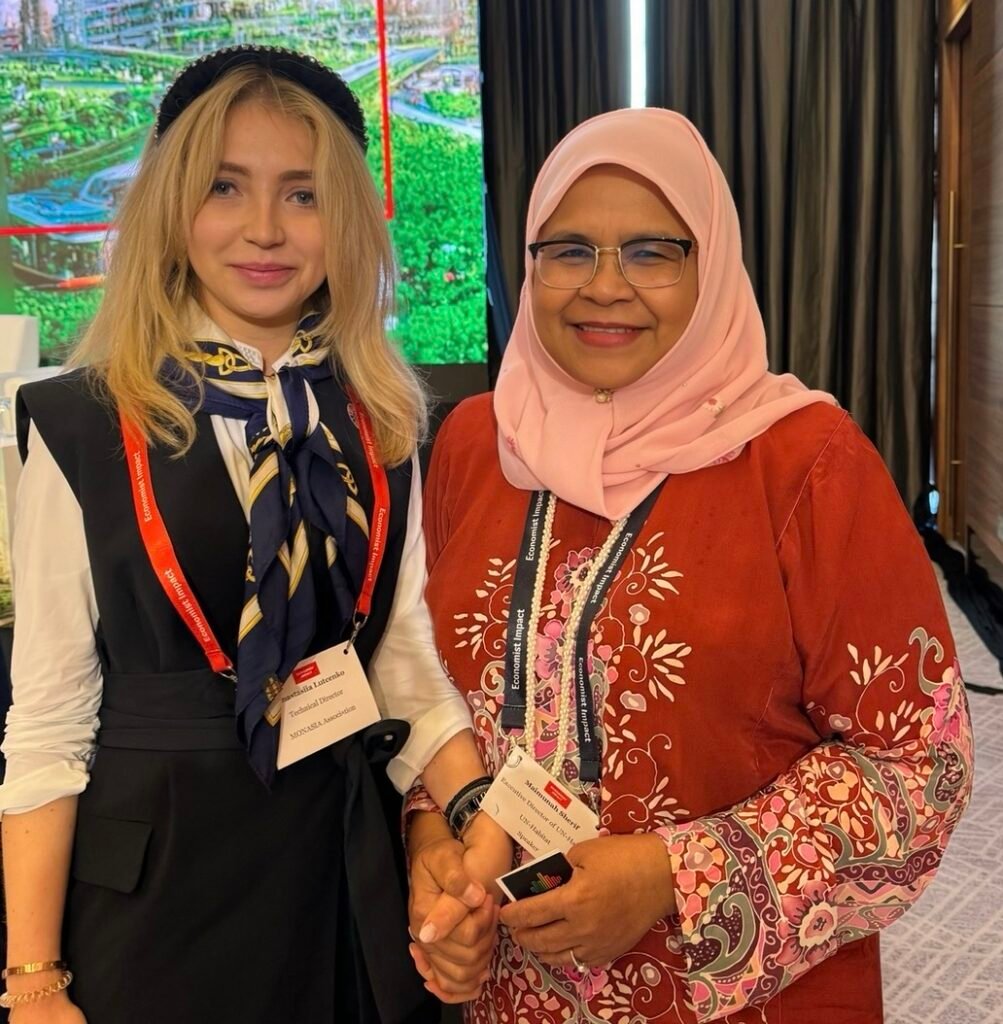
Such questions are frequently discussed at major international conferences. The greater challenge is ensuring that the conversation continues once the conference has ended.
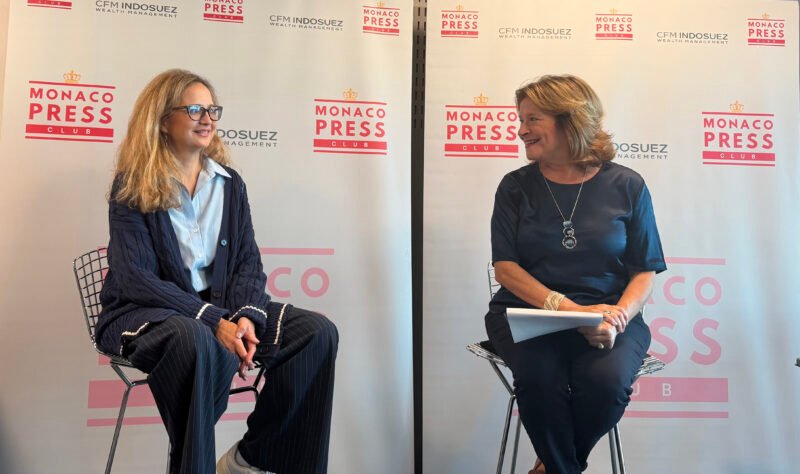
In April 2024, I co-organised the Sustainable Cities Panel in Monaco, bringing together representatives from Economist Impact and UN-Habitat. I had the particular honour of welcoming Kazumi Ogawa, representing UN-Habitat, whose expertise, insights, and perspectives made the discussion especially valuable. It was a truly enriching experience, from which I learned a great deal. Building on the themes that had first captured my attention in Dubai, the panel provided a meaningful opportunity to engage with distinguished experts, exchange ideas, and explore different perspectives on the future of sustainable cities.
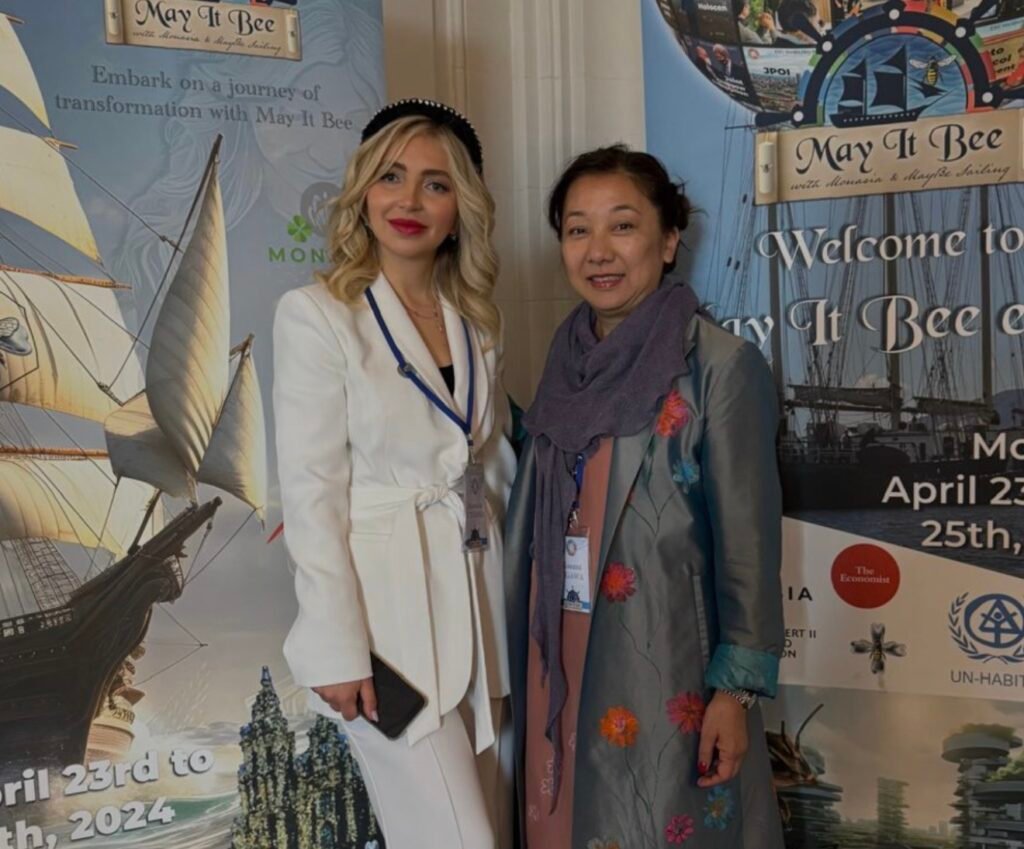
The preparation behind such discussions rarely attracts the attention given to major international summits. Yet the work of identifying shared interests, reconciling different perspectives, and bringing together professionals from diverse backgrounds reveals an essential, if less visible, dimension of international engagement.
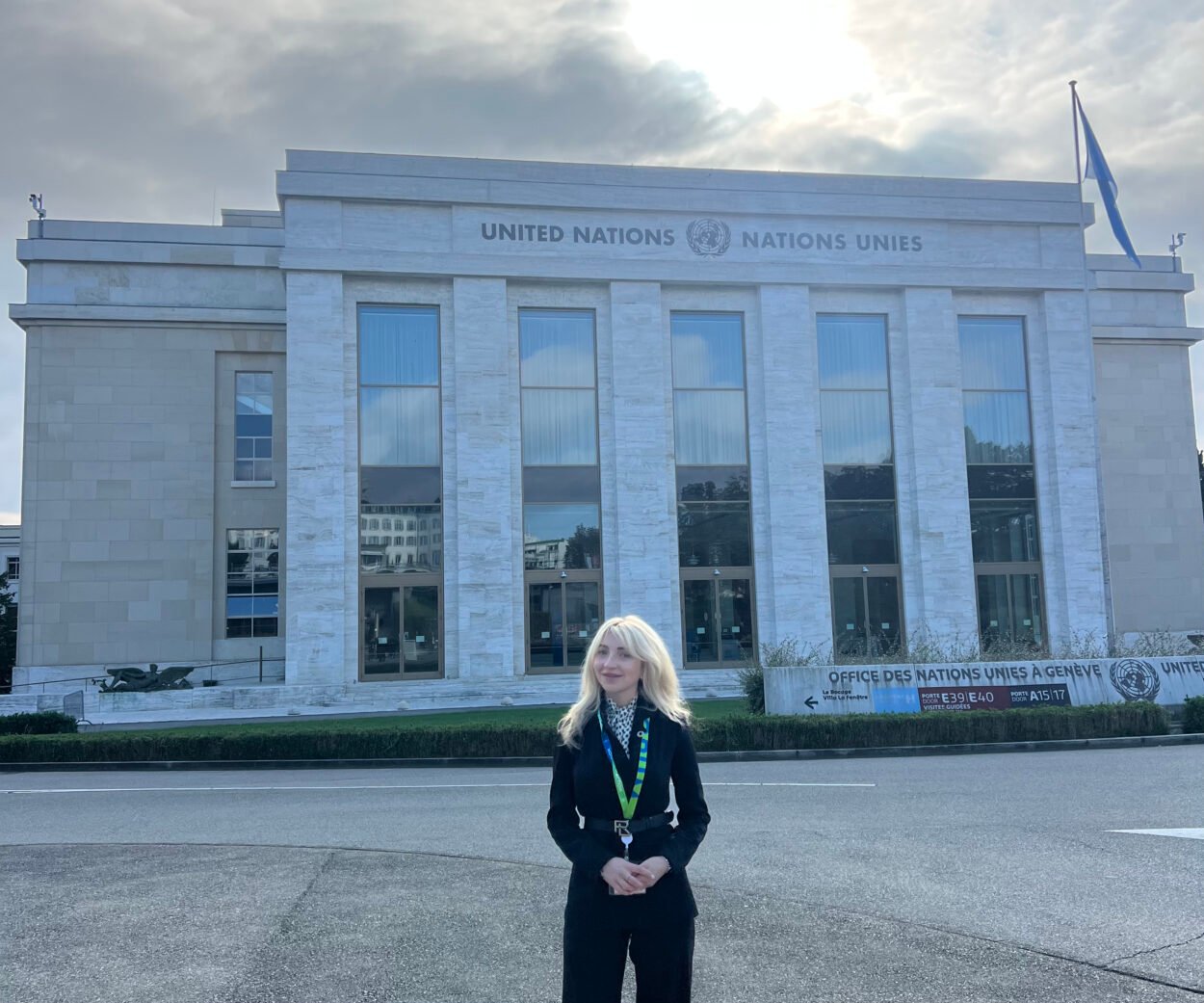
In 2025, I had the opportunity to observe this work from another perspective during an internship within the UN system in Geneva. Having previously helped organise an international expert discussion, I was particularly interested in seeing how multilateral institutions function in their day-to-day work.
It was during this period that I became more aware of the significance of Tatiana Valovaya’s appointment as Director-General of the United Nations Office at Geneva — the first woman to hold the position. I subsequently had the opportunity to meet her in person.
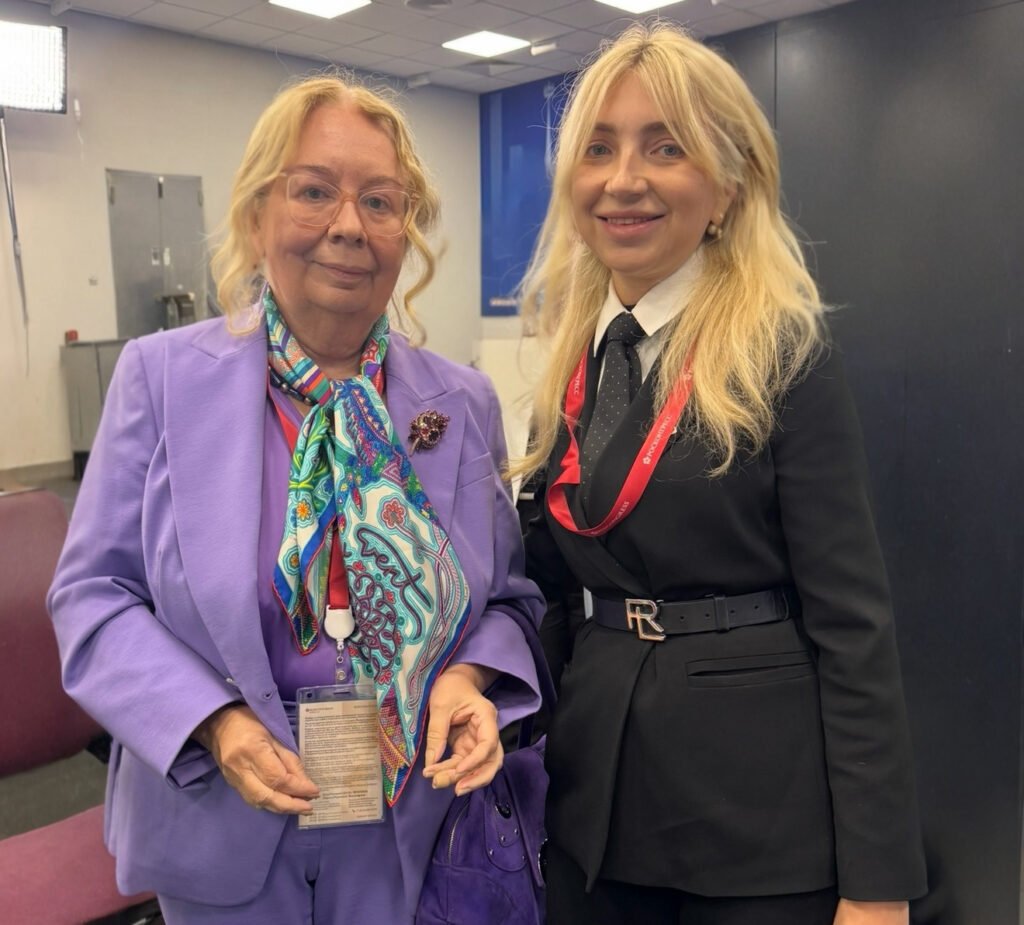
Her professional journey invites reflection on the evolving role of women in international diplomacy. But my time in Geneva also offered a broader perspective on the challenges of reaching common ground. It is one thing to bring together experts who share an interest in a particular issue; it is quite another to sustain negotiations between states whose political interests may be fundamentally opposed.
Under such circumstances, even preserving the possibility of dialogue requires considerable effort. Geneva remains one of the world’s principal centres of multilateral diplomacy precisely because negotiations continue there on issues where agreement is far from assured.
This offers a different way of understanding one of the UN’s fundamental purposes. The Organisation cannot eliminate every disagreement between states. What it can do is maintain the mechanisms through which those disagreements may be addressed and solutions pursued.
Dialogue, of course, is no substitute for action. The UN faces legitimate criticism when political divisions prevent decisions from being taken or international commitments remain unfulfilled. Yet many of these limitations reflect the disagreements among the very states that constitute the Organisation.
This raises an important question: if international institutions cannot always prevent crises, does that make their existence any less necessary?
I would argue the opposite. In a world where countries are economically, environmentally, and socially interconnected, abandoning shared mechanisms would not make disagreements disappear. It would simply deprive states of some of the means through which collective solutions can be sought.
The purpose of the United Nations, therefore, cannot be reduced to the expectation that it will resolve every conflict. Its value also lies in preserving common rules, channels of communication, and opportunities for cooperation when national interests diverge.
Yet this institutional purpose has a human dimension as well. International organisations create opportunities to exchange knowledge and experience, but what becomes of those opportunities ultimately depends on the people who encounter them.
And this brings me back to my conversation with Rebeca Grynspan.
She spoke not only about the unpredictable nature of professional life, but also about the women who had opened doors for the generations that followed. It is not enough, she suggested, to benefit from an opportunity oneself; one must also ensure that the door remains open for others.
There is a principle in this idea that extends well beyond women’s leadership. Opportunities acquire their greatest value when their benefits do not end with a single individual. The same is true of international institutions: their work becomes meaningful when knowledge, agreements, and professional relationships provide the foundation for further progress.
Perhaps this is why United Nations Day is an occasion not only to recognise the Organisation’s achievements and acknowledge its shortcomings, but also to reflect on our own responsibility to carry its conversations forward.
The world needs the United Nations not because states can always reach agreement, but because, even in times of profound division, they cannot afford to abandon the attempt. And perhaps the most important lesson I have taken from my experience with the UN is that an open door is not merely an invitation to enter, but a responsibility to leave it open for others.