From Strasbourg to Monaco: Europe Reframes the Environmental Crisis as a Human-Rights Issue
At the Oceanographic Museum, ambassadors from the Council of Europe’s 46 member states brought an unusually urgent question into the diplomatic chamber: what happens when environmental harm begins to erode fundamental rights?
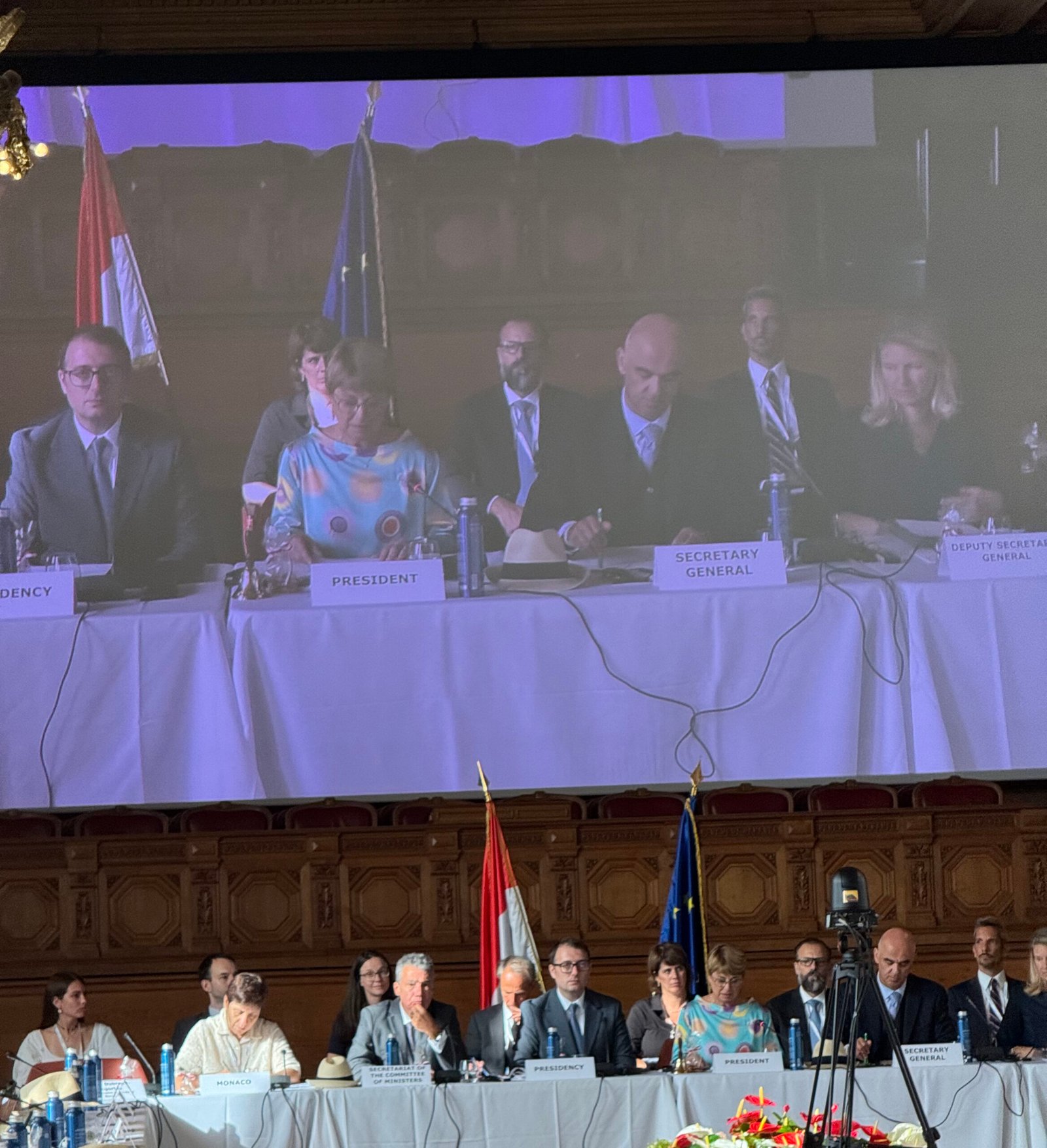
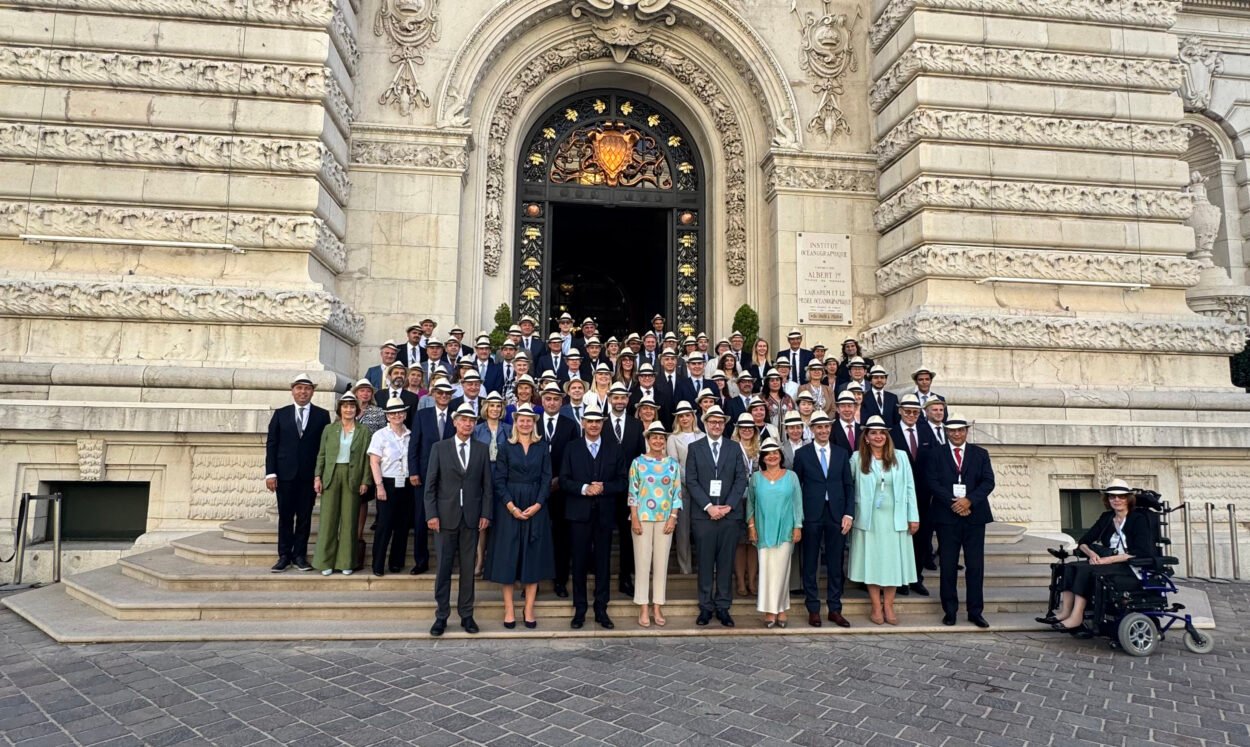
European diplomacy moved from its usual setting in Strasbourg to the Mediterranean coast on Wednesday, as Monaco hosted the 1,567th meeting of the Council of Europe’s Ministers’ Deputies at the Oceanographic Museum.The gathering brought together ambassadors representing the organisation’s 46 member states. Meetings at this level normally take place each week in Strasbourg, where permanent representatives oversee the Council of Europe’s work on human rights, democracy and the rule of law. Holding one in Monaco was therefore more than a change of venue: it was one of the most visible moments of the Principality’s presidency of the Committee of Ministers.Isabelle Berro-Amadeï, Monaco’s Minister of Foreign Affairs and Cooperation and chair of the Committee of Ministers, opened the session. Gabriel Revel, Monaco’s permanent representative to the Council of Europe, presided over the meeting.
A Monegasque Signature
The host country placed its own diplomatic signature on the agenda through a thematic debate titled “The environmental crisis through the lens of human rights.” The wording is significant. It shifts the discussion beyond conservation targets and climate policy, asking instead how environmental degradation affects the rights, security and daily lives of people across Europe.The debate included scientific, legal and policy perspectives. Among the participants was Dr Céline Dubreuil-Degortes of the Oceanographic Institute’s ocean-policy department, an expert whose work connects marine science with public decision-making.For Monaco, the choice follows a long-established international profile centred on ocean protection, climate action and the fight against biodiversity loss. Under Prince Albert II, the Principality has repeatedly used multilateral forums to promote environmental protection and more sustainable development. Hosting the ambassadors inside the Oceanographic Museum made that message difficult to separate from the setting itself.
“The environmental crisis through the lens of human rights” — the theme chosen by Monaco for the special debate
From Recognition to Responsibility
The discussion also builds on the Council of Europe’s 2023 Reykjavík Summit, where heads of state and government recognised that the environmental crisis has multiple consequences for human rights and called for stronger action by the organisation.That connection is becoming harder to treat as abstract. Extreme heat, polluted air and water, coastal risk and biodiversity loss can affect health, housing, livelihoods and access to a safe living environment. Framing such pressures in human-rights terms raises a more demanding question for governments: not only what they intend to protect, but what duties they owe to people exposed to environmental harm.Monaco’s meeting did not transform that principle into a new European rule overnight. Its importance lay elsewhere — in placing scientific evidence, legal interpretation and political responsibility in the same conversation, before the ambassadors who manage the Council of Europe’s work from week to week.Revel has described the meeting as an opportunity both to demonstrate Monaco’s commitment to the Council of Europe and to allow visiting delegations to understand the country’s heritage, history and particular character. The environmental debate gave that diplomatic hospitality a policy purpose.
For a state of Monaco’s size, chairing a European institution is a short but valuable window of influence. On Wednesday, the Principality used that window to argue that damage to the natural world cannot be confined to the environmental portfolio. Increasingly, it belongs at the centre of Europe’s debate about rights, state responsibility and the kind of security governments are expected to provide.