From Bank Accounts to Audits: Monaco Strengthens Business Protections
Monaco’s National Council has unanimously approved two reforms affecting the day-to-day operations of businesses and entrepreneurs. One aims to make the right to a bank account genuinely effective, while the other modernises the accounting profession and expands professional opportunities for Monegasque nationals.
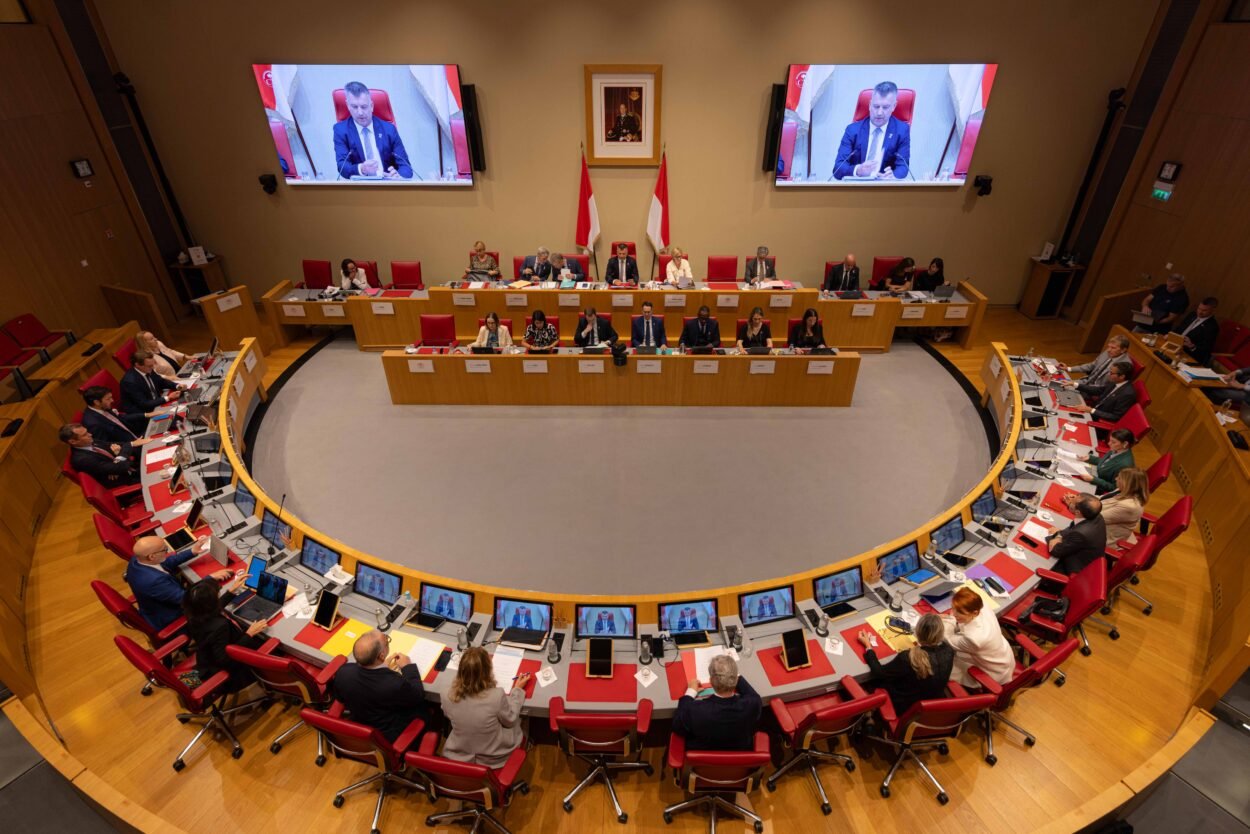
At its session on 5 October 2026, Monaco’s National Council unanimously adopted two bills that may appear to concern very different areas. In practice, however, both reforms pursue the same objective: ensuring that legal rights and professional opportunities are not merely theoretical, but can be effectively exercised in everyday life.
The first reform concerns the right to a bank account, an issue of fundamental importance for both individuals and businesses.
Making the Right to a Bank Account Effective
The right to a bank account has already existed in Monaco for several years. In practice, however, applicants could face long periods of silence from banks, procedural delays or difficulties obtaining a formal refusal.
This could make a right recognised by law difficult to enforce in reality.
Bill No. 1124 is designed to address that problem.
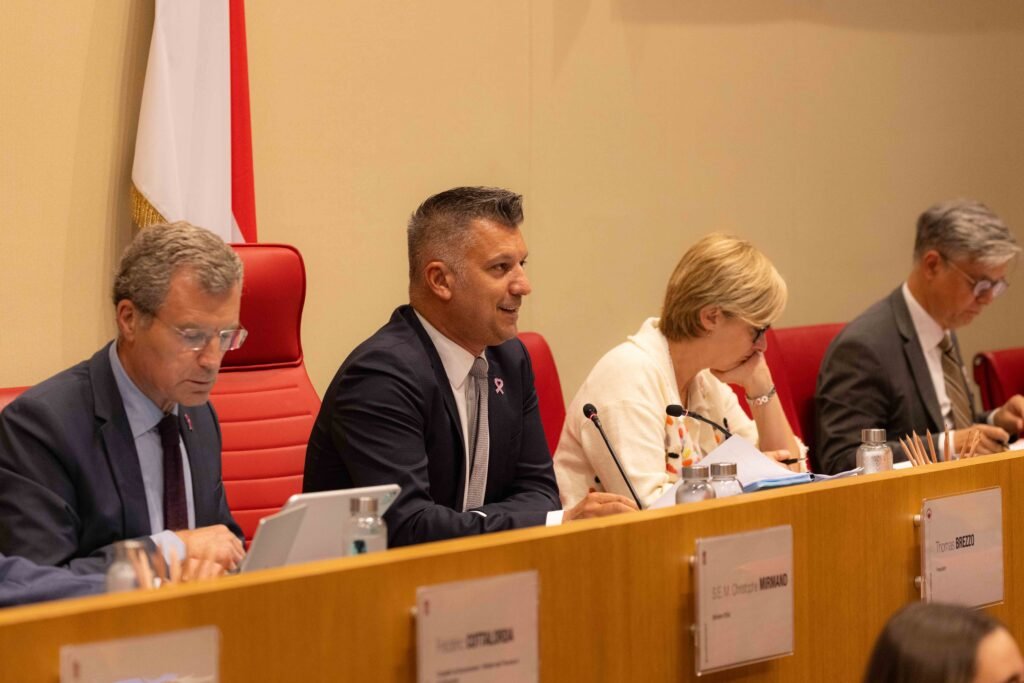
Speaking during the legislative session, National Council President Thomas Brezzo made clear that the issue was not simply about recognising a right in law, but about ensuring that it could actually be exercised.
“When a right exists, everyone must be able to exercise it effectively. A right that cannot be exercised is not truly a right — it is just a piece of paper.”
Under the new framework, if a bank fails to respond to an application to open an account within 30 working days, the applicant will no longer have to wait indefinitely for a written refusal. Instead, they will be able to contact Monaco’s Department of Budget and Treasury, which may then begin the process of designating a banking institution.
During the parliamentary review, councillors tightened the deadlines initially proposed by the Government. The period for a bank to respond was reduced from 45 to 30 working days, while the timeframe for the Department of Budget and Treasury to designate an institution was shortened from 15 to 10 working days.
The procedure is also intended to become more structured and predictable, with clearer deadlines for requesting missing documents and processing applications.
Another important element is the introduction of administrative penalties. Banks may face fines of up to €10,000 for certain breaches, including failures to comply with obligations related to communicating refusals.
People or companies facing an unjustified refusal, the closure of an account or excessive delays should also be able to seek judicial protection more quickly.
For entrepreneurs in particular, the practical consequences are significant. A bank account is a basic tool for conducting business, and prolonged uncertainty over access to banking services can disrupt or even prevent a company from operating normally.
Modernising the Accounting Profession
On the same day, the National Council also unanimously approved Bill No. 1112, concerning chartered accountants, auditing and corporate accounts.
The reform continues the wider modernisation of Monaco’s company law and is intended to strengthen confidence in corporate financial reporting.
The new provisions provide a clearer definition of the role of professionals who advise companies and review their accounts. They also reinforce requirements concerning independence and the prevention of conflicts of interest.
The rules governing the presentation of financial statements are also being updated, including provisions intended to provide a clearer picture of the financial position of groups of companies.
According to members of the National Council, the previous legal framework no longer fully reflected the needs of a modern economy.
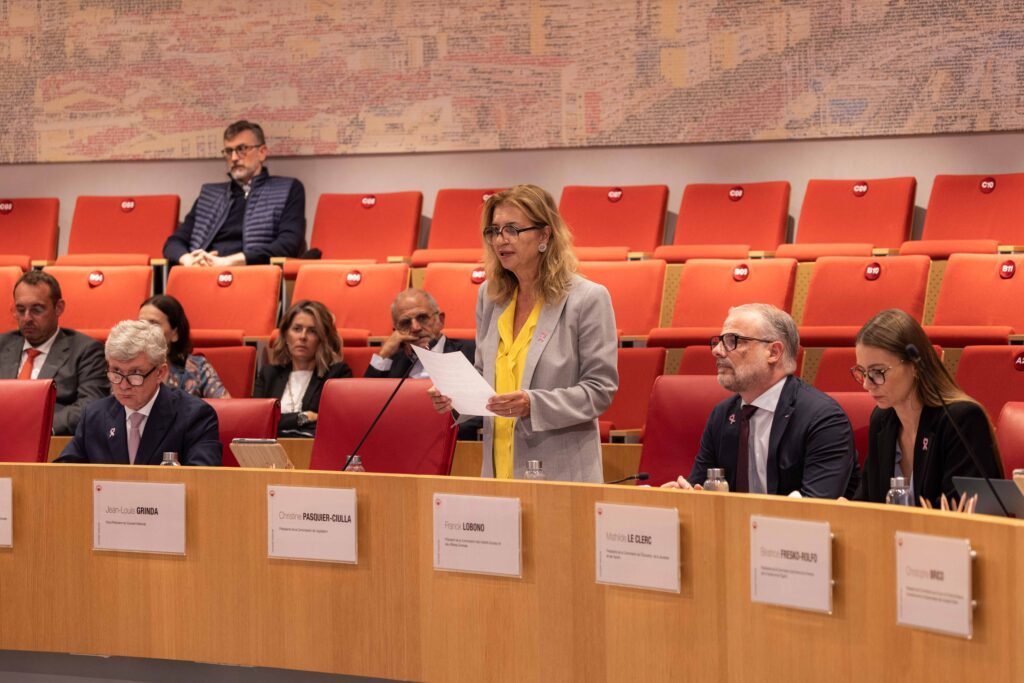
Christine Pasquier-Ciulla, President of the Legislation Committee, noted that the text was substantially amended during the parliamentary process in order to improve transparency and legal certainty while removing restrictions that were no longer considered sufficiently justified.
Ending the Numerus Clausus for Monegasque Nationals
One of the most notable changes concerns access to the profession of chartered accountant.
The National Council has removed the numerus clausus system for Monegasque nationals — a mechanism that limited the total number of professionals authorised to practise in the Principality.
Under the new rules, a Monegasque citizen who satisfies the necessary educational and professional requirements will be able to enter the profession regardless of how many accountants are already practising in Monaco.
The measure is closely linked to Monaco’s policy of Priorité Nationale, or National Priority, which aims to promote employment and professional opportunities for Monegasque nationals.
Thomas Brezzo highlighted what lawmakers regarded as a contradiction in the previous system: a young Monegasque could obtain the required qualifications, possess the necessary skills and meet professional standards, yet still be unable to practise in their own country simply because the existing quota had already been filled.
Removing that restriction should provide a clearer career path for young Monegasques who undertake demanding training in accounting and auditing.
Technical Reforms with a Practical Impact
The two reforms also illustrate the way in which the National Council says it approaches legislative work.
Opening the autumn session, Brezzo summarised that method in a short phrase:
“Our method is simple: listen before writing.”
He explained that legislation should take account of the views of those who apply the law — or will have to apply it — in order to achieve a balance between practical realities, common sense and the public interest.
Neither reform is likely to attract the same level of attention as a major tax or economic policy announcement. Yet both could have a direct impact on Monaco’s business environment.
For entrepreneurs, reliable access to a bank account is a prerequisite for normal commercial activity. For the wider economy, strong and independent accounting and auditing standards help improve transparency and confidence in corporate financial information.
At the same time, Monaco is continuing to review barriers that may prevent its own citizens from using their qualifications professionally within the Principality.
The decisions adopted by the National Council on 5 October therefore touch on two essential pillars of a modern economy: access to financial infrastructure and trust in financial reporting.
In both cases, the philosophy is similar: a right or professional opportunity has limited value if, in practice, it remains difficult to exercise.