María Bravo: “The Best Gift You Can Give Yourself Is the Gift of Giving”
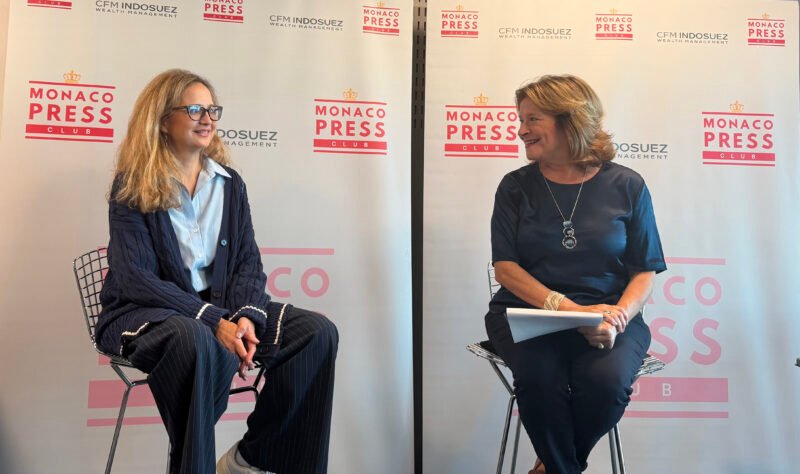
Ahead of the second edition of the Global Gift Gala in Monaco, María Bravo speaks with Ad Astra Journal about the Principality’s philanthropic potential, the personal experiences that shaped her mission, the role of women in social leadership, and why a new generation may be redefining what it means to give.
Ad Astra Journal: This is only the second edition of the Global Gift Gala in Monaco. Why was Monaco important to you personally, and why do you think the Principality is the right home for this initiative?
María Bravo: We had wanted to come to Monaco for some time because I believe it is a very generous place. There are people here who have the means to change the lives of many others in need.
For us, it is always important to find the right partners. Once we found people in Monaco who shared our vision and wanted to support the initiative, we felt very confident about bringing the Global Gift Gala here.
The idea is not simply to support our own foundation, but also to benefit local and international causes. Bringing people together around one purpose and creating something with a wider impact is very important to us, and Monaco is the right place for that.
Ad Astra Journal: How do you select the organisations you support?
María Bravo: It is very difficult because there are so many organisations doing meaningful work. We always try to support a local foundation, or an organisation that is genuinely creating change in people’s lives.
One of the most important things for us is fiscal responsibility. We need to know where the money goes. The funds raised for a cause have to reach that cause and benefit the people we are trying to help, whether they are children, women or people living with serious health challenges.
We also look for organisations that have a track record, whose work can be reported and measured, and whose mission is aligned with ours.
Ad Astra Journal: You have been involved in philanthropy for many years. How did this journey begin for you?
María Bravo: I have been doing this work for about 20 years, but even before that I was always volunteering with different foundations.
I lived in the United States for 33 years, and I regularly volunteered my time. Eva Longoria and I volunteered at Children’s Hospital Los Angeles, helping Latino families who had difficulty communicating with doctors because of the language barrier, particularly families whose children were dealing with cancer.
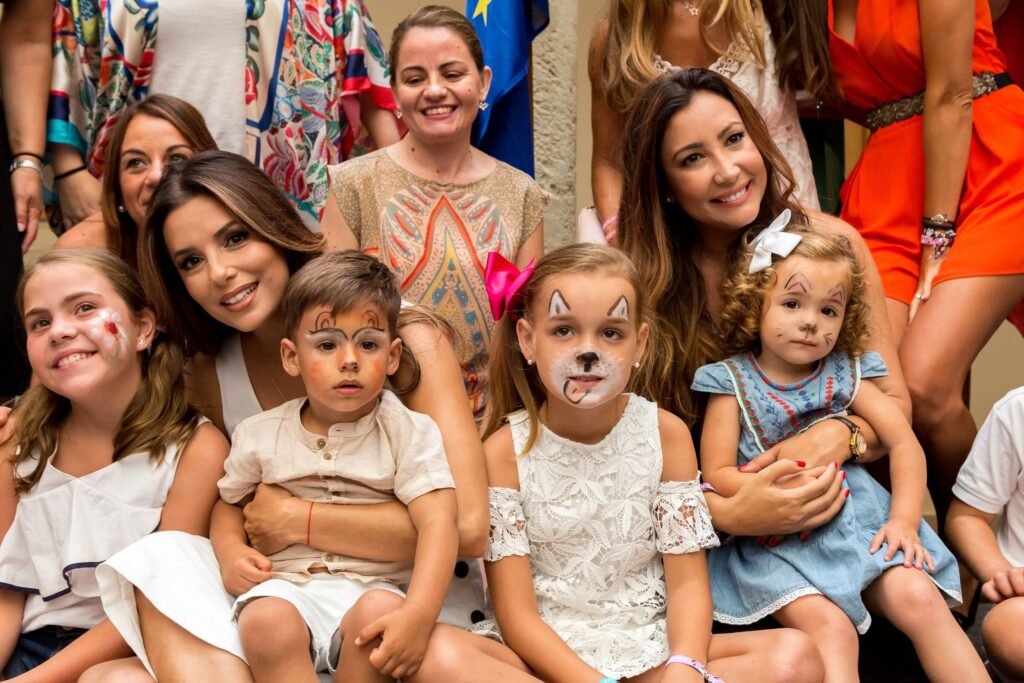
Later, when Eva became famous, I said to her: why don’t we create a worldwide platform bringing together like-minded people who simply want to do good and create change in the lives of others?
That became Global Gift. We opened our own foundation in 2012, although before that we had already spent years fundraising for other organisations. Today, our work reaches a number of countries around the world.

Ad Astra Journal: What does that work look like on the ground?
María Bravo: We are involved in projects supporting children and families in very difficult circumstances.
In Vietnam, for example, we work with children who may otherwise end up begging in the streets. The idea is to provide them with food, education, clean clothes and medical care, while also working with their families.
In Marbella, Spain, we have a centre for children with special needs and rare diseases, where thousands of children receive therapies.
Everything comes back to the same intention: people coming together to change somebody else’s life.
Ad Astra Journal: Has your own personal experience influenced the way you approach this work?
María Bravo: Absolutely. Life is like a roller coaster. Sometimes you are up, sometimes you are down, and you never know when you may need somebody to extend a helping hand to you.
I couldn’t have children myself, and having children was something very important to me. In a way, through this work, I feel like a mother to many children.
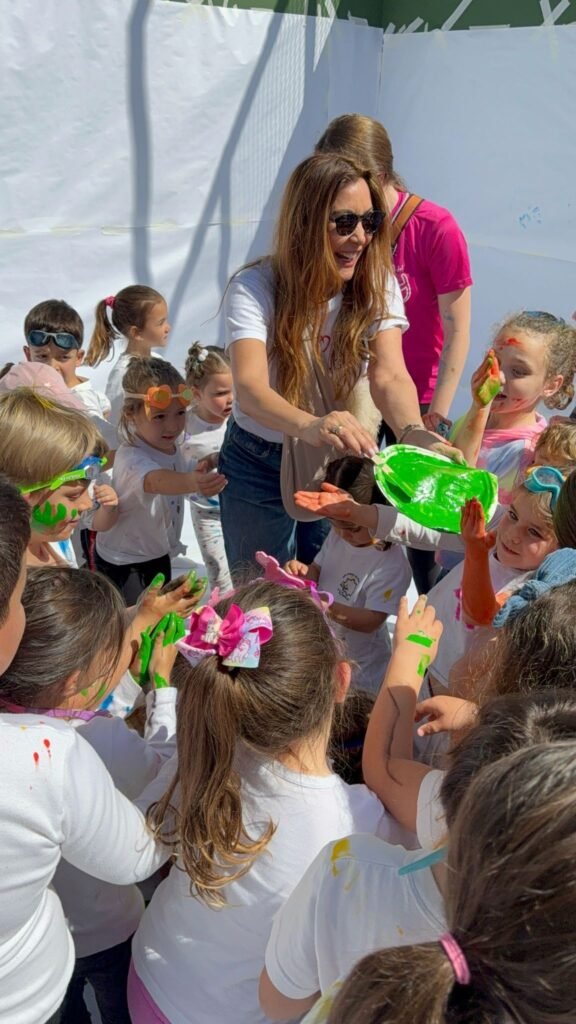
That is part of why supporting children has become such a personal mission for me.
Ad Astra Journal: Do you think being a woman brings something different to philanthropy and social leadership?
María Bravo: I think women have an extraordinary ability to multitask, to care and to understand the needs of others.
In charity work, you need people who genuinely care. You need compassion and kindness. You need to be able to put yourself in somebody else’s shoes.
I’m not saying men do not have those qualities, because of course many do. But I think women often have a very instinctive sense of wanting to care for somebody, especially children. That compassion is extremely important in philanthropy.
Ad Astra Journal: Is there one story from your work that has stayed with you personally?
María Bravo: There are so many, but one experience in Vietnam affected me very deeply.
It was around ten years ago, when we had first become involved with an orphanage there. I went personally because whenever we support something, especially when children are involved, I want to see it myself and make sure that everything is being run properly.
I stayed at the orphanage overnight. The next morning, while I was having breakfast with the children, there was a knock at the door.
Two children had been left on the doorstep. One was perhaps only a week old. The other was around eight or nine months old and had Down syndrome.
I opened the door and saw someone — I assumed it was their mother — running away. She seemed to have waited just long enough to make sure somebody had opened the door.
That moment affected me to my core. I wanted to adopt both children. I went through the process, but adoption was very complicated, particularly because I was living in the United States and travelling constantly.
Eventually I realised that perhaps I would not become the mother of those two children, but I could devote myself to supporting the orphanage and other organisations helping children.
The younger baby was adopted about a year later and went to live with a family in Vietnam. The other child remained at the orphanage.
When you are actually there and you see something like that with your own eyes, it changes you.
Ad Astra Journal: After 20 years in philanthropy, have you seen the attitudes of donors and philanthropists change?
María Bravo: Yes, I think it changes all the time depending on what is happening in the world.
After the pandemic, people became much more conscious of how connected we all are. Something happening in China could affect people in Europe or the United States. We suddenly understood how vulnerable all of us can be.
During the pandemic, many people wanted to help. Of course, people also forget quickly, but crises continue to happen everywhere.
What I find very interesting is the younger generation. They want to see more justice. They do not want to see one community with nothing to eat while another has everything.
I think Generation Z is very aware of these inequalities and wants to find new ways to make an impact. I believe they can have a very positive effect on humanity.
Ad Astra Journal: What would be your message to Generation Z?
María Bravo:
The message I give to everybody is that the best gift you can give to yourself is the gift of giving.
When you truly give without expecting anything in return, simply because you know you are changing somebody’s life, it gives you a feeling that neither money nor fame can compare with.
For me, that is part of our purpose in this world: to be a good person and to lift other people up.
I also believe very much in karma. What goes around comes around. In the long run, being a good person pays off.