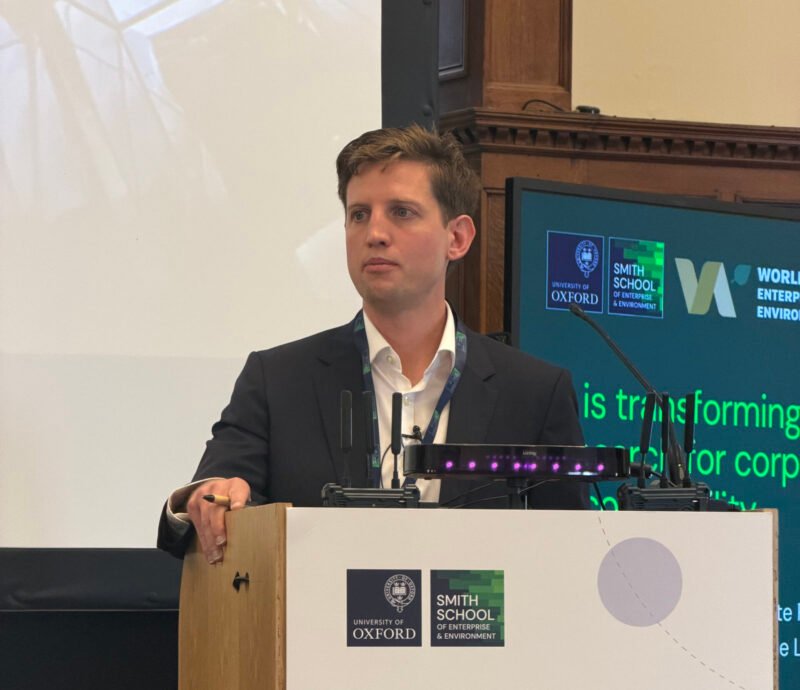
Dr. Benjamin Franta is an Associate Professor at the Oxford University Sustainable Law Programme, where he researches climate litigation. He studies internal fossil fuel industry documents and how historical evidence can help hold companies accountable for climate damage.
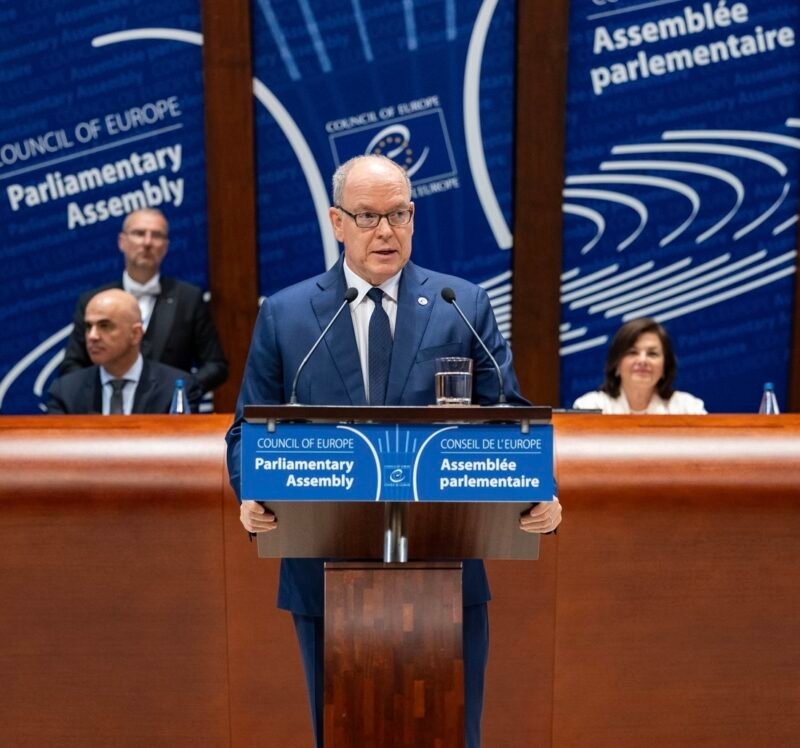
Prince Albert II places the rule of law, multilateralism and environmental responsibility at the centre of Monaco’s message in Strasbourg, as the Principality approaches the conclusion of its first Presidency of the Council of Europe’s Committee of Ministers.
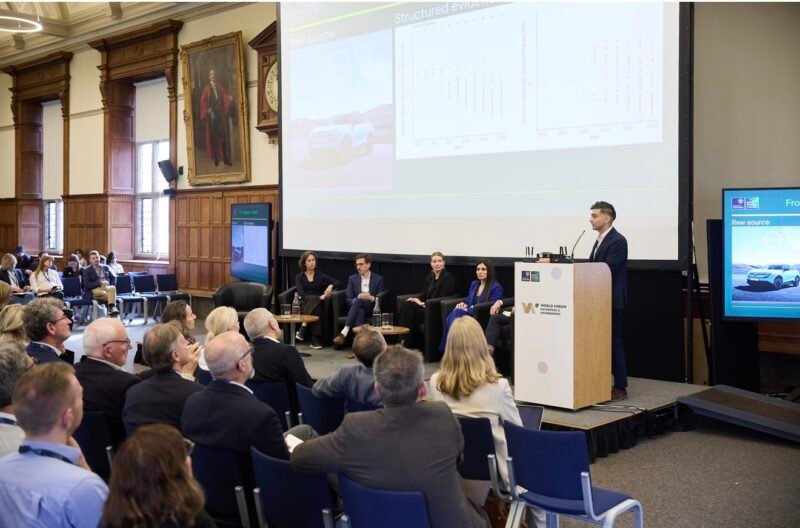
At the University of Oxford’s Smith School of Enterprise and the Environment, five researchers demonstrated how artificial intelligence can help us understand technological progress, evaluate conservation projects, identify dangerous dumpsites, map industrial assets and search corporate archives.
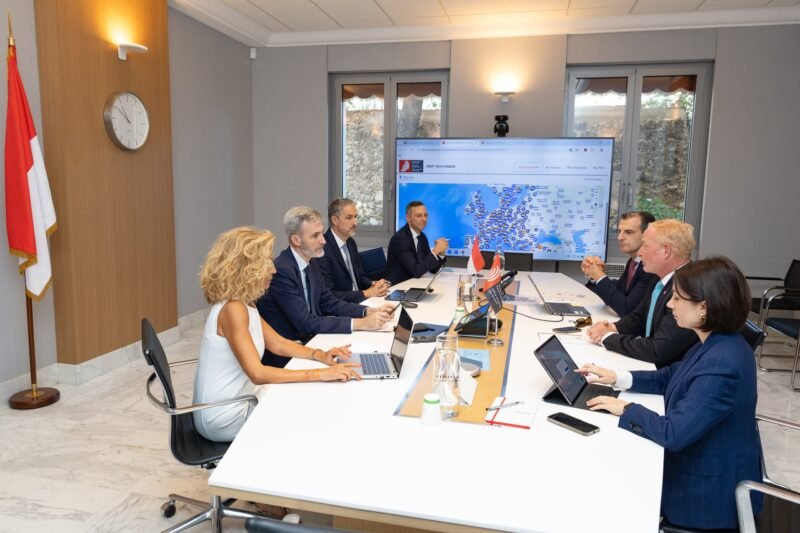
Monaco and the European Patent Office (EPO) have agreed to explore new areas of cooperation, including digital services and support for small businesses and innovators.
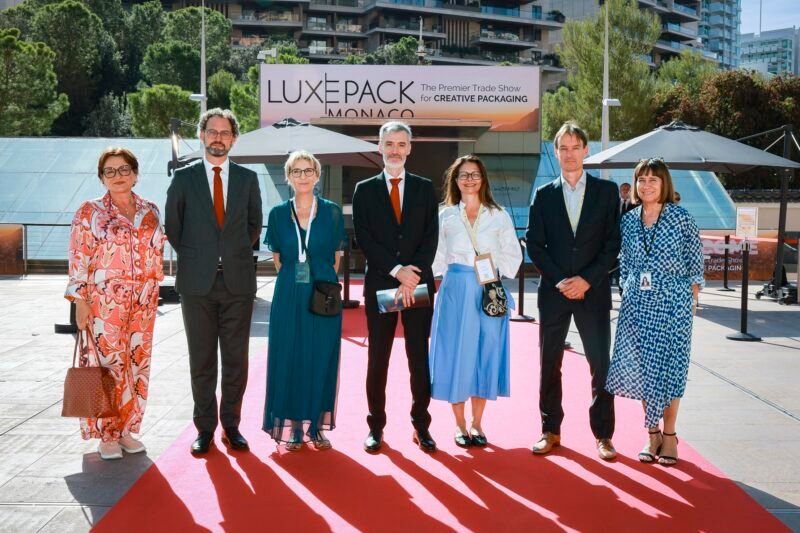
Frédéric Cottalorda, Minister of Finance and the Economy, visited Luxe Pack Monaco on 29 September, during the luxury packaging fair’s 38th edition at the Grimaldi Forum.
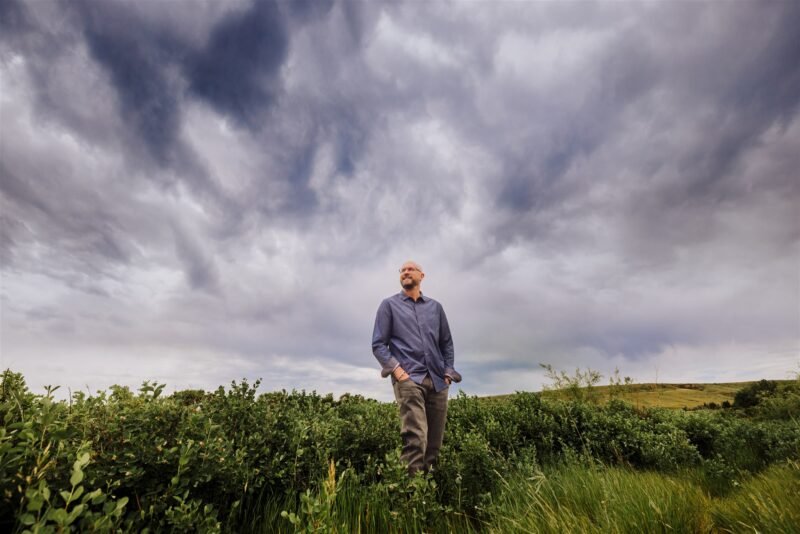
Bill Hilf has spent his career moving between worlds that rarely sit comfortably together: technology and conservation, artificial intelligence and philanthropy, investment and long-term public good.
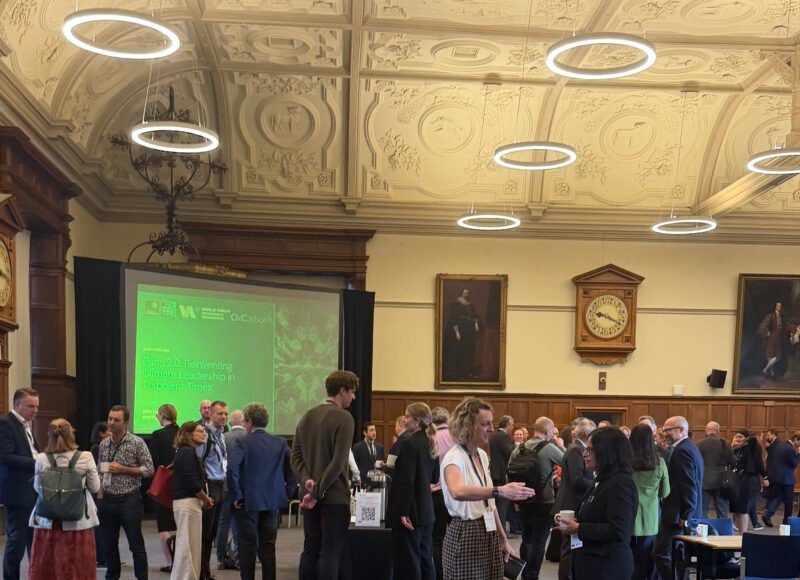
Ten years after the Paris Agreement, Oxford’s Smith School brought together people from business, finance, politics and academia to ask how countries can act together in a world where agreement is becoming harder to find.
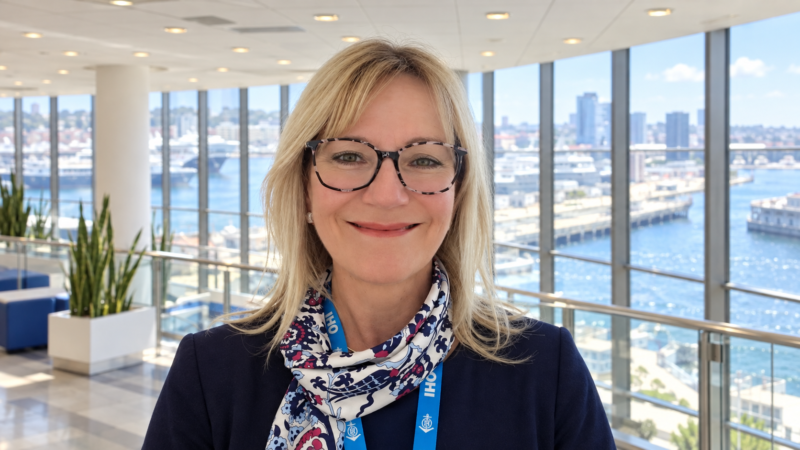
A conversation with Isabelle Rossi about language, hydrography, professional instinct and the changing role of the translator.
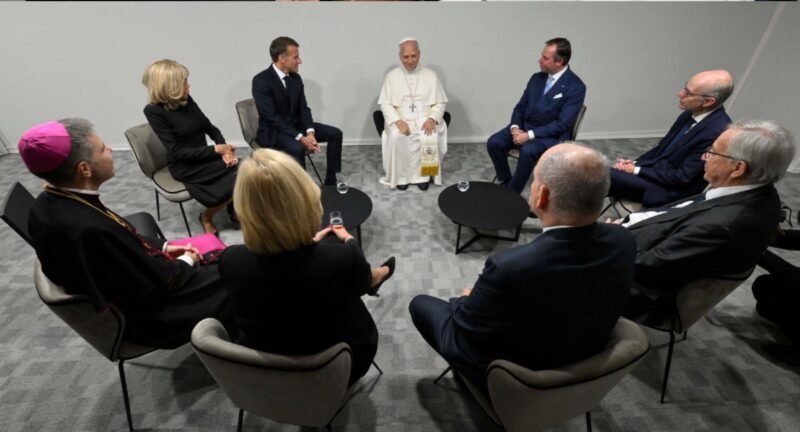
H.S.H. Prince Albert II of Monaco joined Pope Leo XIV and European leaders in Metz on Monday for a gathering centred on peace, dialogue and the future of Europe, bringing together political and religious figures in a city deeply associated with Franco-German reconciliation and the beginnings of European integration.
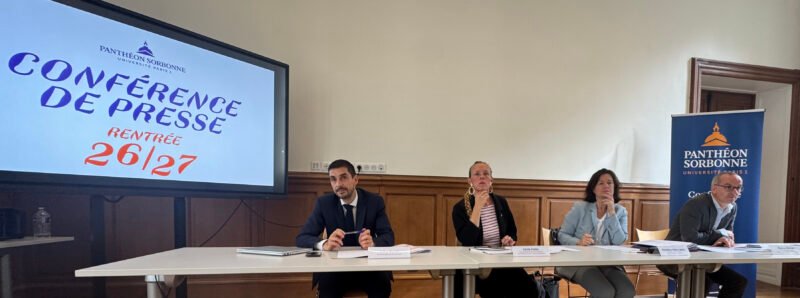
Artificial intelligence is doing more than changing the way students study. It is forcing universities to ask an older and more difficult question: what, exactly, are they for? At Paris 1 Panthéon-Sorbonne, that question now sits at the heart of the debate.
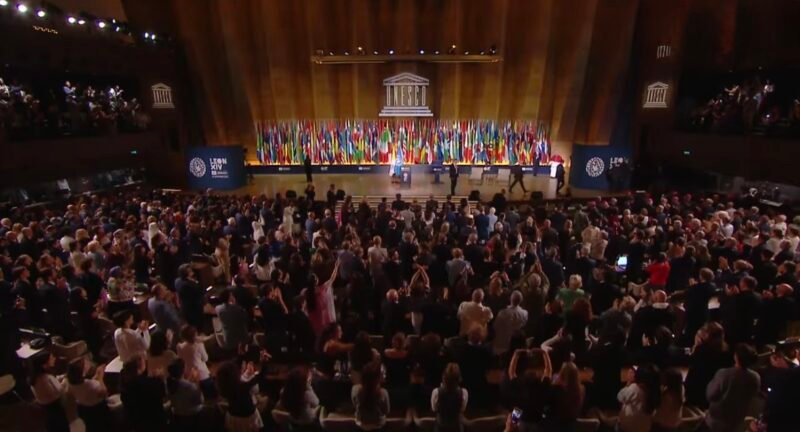
At UNESCO in Paris, a forum on youth and artificial intelligence moved beyond what machines can do and asked what thinking, culture and responsibility still demand of us.
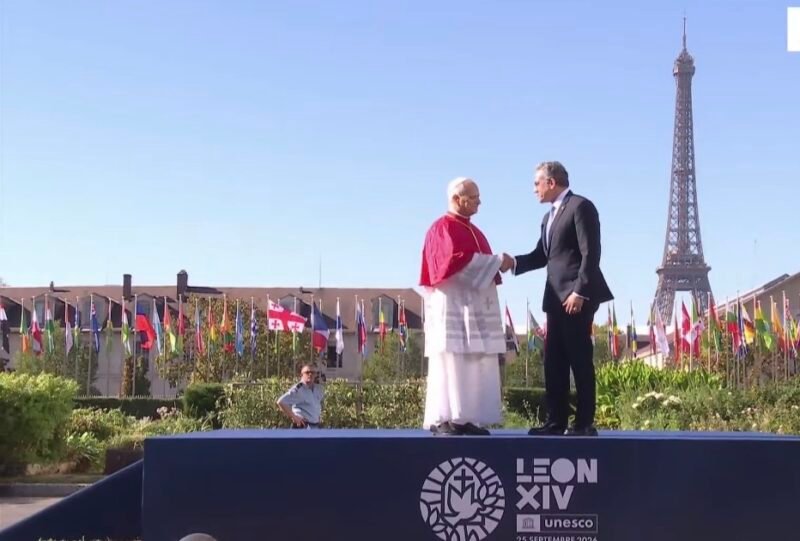
Pope Leo XIV brought an awkward question to Paris — first for the machines, then for the French Republic.
